Five lessons every grounds professional can take from World Cup 2026

When the final whistle blows, the focus naturally shifts to the football. The winners are celebrated, the goals are remembered and the tournament becomes history.
For the pitch management industry, however, the real legacy of World Cup 2026 may only just be beginning.
Across 16 stadiums in three countries, grounds teams tackled challenges never before seen at a World Cup. Indoor venues, temporary natural grass, different climate zones and one consistent objective: delivering world-class pitches from the opening match to the final.
Here are five lessons every grounds professional can take from World Cup 2026.

1. Growing world-class natural grass indoors is no longer impossible
Growing high-quality natural grass indoors is considered one of the industry’s biggest challenges.
But after the success of Kingdom Arena in Saudi Arabia, World Cup 2026 proved again that it’s possible.
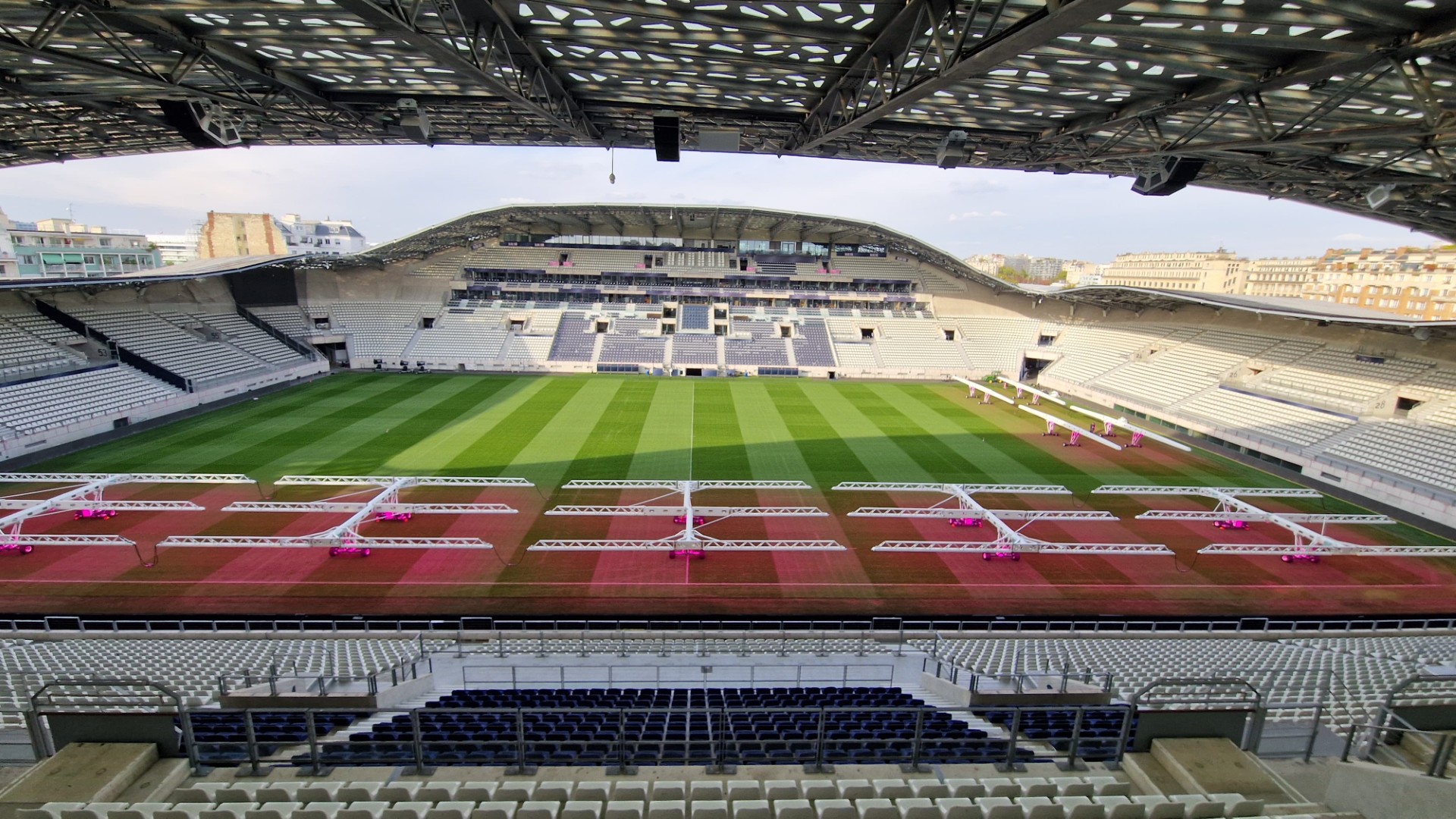
Several host venues successfully maintained natural grass in indoor or covered stadiums by carefully controlling the growing environment. Grow lights, airflow, temperature, moisture and agronomic expertise all worked together to create pitches capable of performing on football’s biggest stage.
As turfgrass researcher John Sorochan reflected on the progress made since the 1994 World Cup, “There’s a lot more tools in the toolbox.”
The challenge has changed. It is no longer about whether natural grass can thrive indoors, but how efficiently it can be managed.

2. Research is driving the next generation of pitch management
The success of the World Cup pitches was built on years of research.
Scientists from the University of Tennessee and Michigan State University spent years developing solutions for grass selection, sod production, transport and pitch construction. One breakthrough was growing sod on plastic, allowing the root system to remain largely intact during harvest and helping the grass establish much faster after installation.
Perhaps the most exciting developments are still to come.
John Sorochan believes this research could lead to hydroponic systems that recycle irrigation water, making pitches both more sustainable and more efficient.
“We can now develop hydroponic systems… and it’s gonna be an unintended game changer.”
The innovations developed for the World Cup are already shaping the future of sports turf.

3. One standard doesn't mean one solution
No two World Cup venues presented the same challenge.
Mexico City brought altitude. Miami brought heat and humidity. Indoor stadiums required completely different growing strategies, while cooler climates demanded different grass species.
Instead of applying one solution everywhere, researchers adapted each pitch to its environment while working towards one common goal: consistent performance.
That may be one of the tournament’s biggest lessons. Every venue is unique, but every player deserves the same playing experience.

4. Pitch performance should be measured, not guessed
Experience has always been one of a grounds manager’s greatest strengths.
World Cup 2026 demonstrated how objective data can strengthen those decisions.
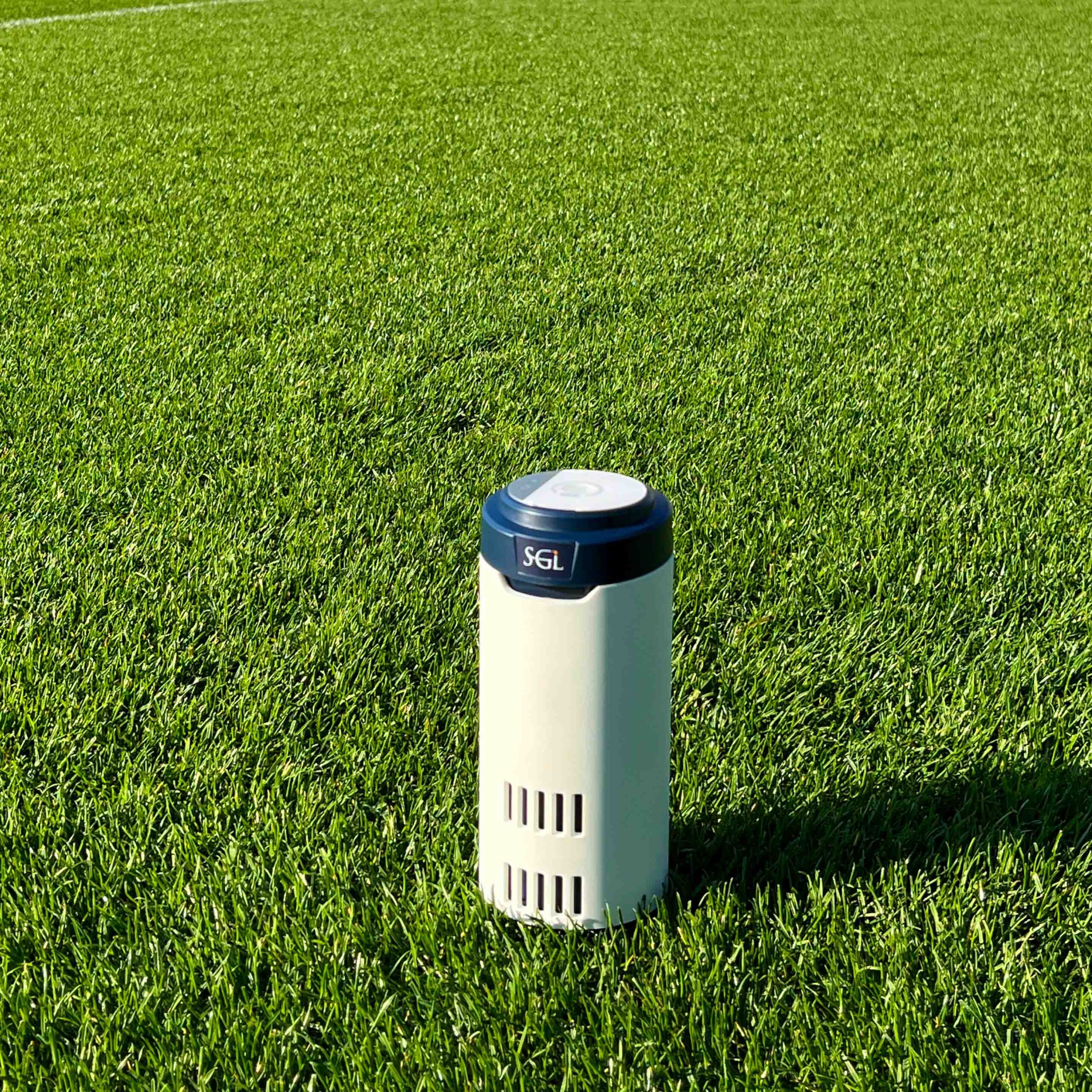
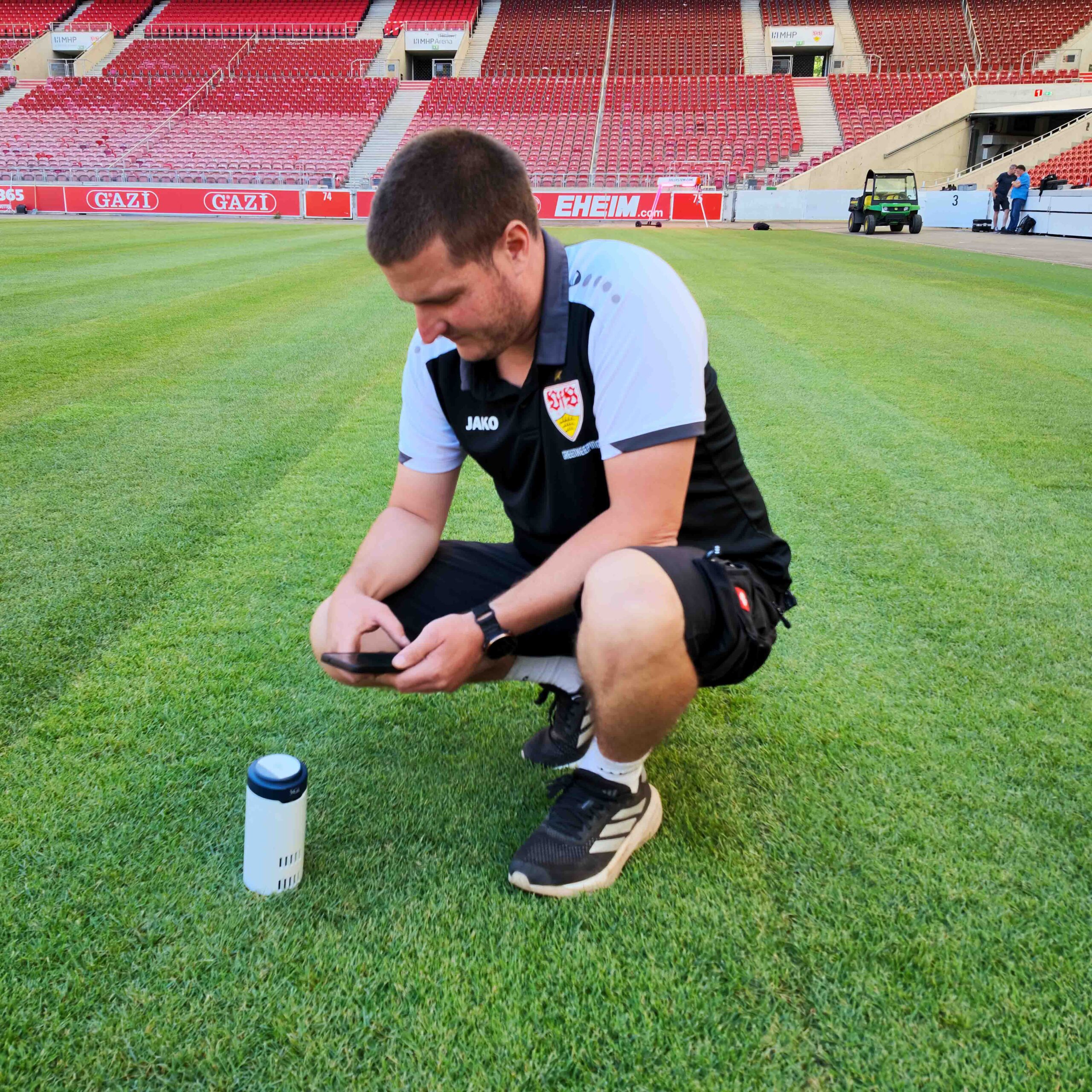
Using technologies such as fLEX, researchers measured traction, firmness, energy return and surface consistency by simulating how a player’s foot interacts with the pitch. Heatmaps allowed grounds teams to identify inconsistencies before they became visible or affected performance.
Just as player performance is increasingly measured with data, pitch performance is moving in the same direction. Objective testing is no longer a research project. It is becoming part of modern pitch management.

5. The future of pitch management extends far beyond football
The innovations developed for World Cup 2026 will have an impact long after the tournament is over.
Indoor growing techniques, sustainable production methods, temporary natural grass systems and objective pitch testing all have applications beyond elite football. Rugby stadiums, golf courses, multi-purpose venues, training centres and community facilities can all benefit from the knowledge gained during this project.
Every World Cup leaves a football legacy.
World Cup 2026 also leaves a pitch management legacy.
It proved that indoor natural grass is achievable, that research continues to unlock new possibilities, that every environment requires its own solution, and that objective performance testing is becoming the new benchmark.
For grounds managers around the world, those lessons may prove to be the tournament’s greatest contribution.
Recent updates
Check out our latest updates