WINNING GROUNDS
WORLD CUP 2026

Play the pitch, play the crowd, play the world
World Cup Winning Grounds 2026 celebrates the pitches, stadiums, training grounds and people behind football’s biggest stage. Across all 16 World Cup host venues, SGL supported the teams responsible for creating and maintaining the conditions for world-class pitch performance throughout the tournament.
From the preparation before kick-off to the final whistle, discover the expertise, technology and dedication behind the grounds where football history was made.
Winning Grounds
The World Cup is where the world comes together. Where nations dream, fans unite and unforgettable moments become part of football history.
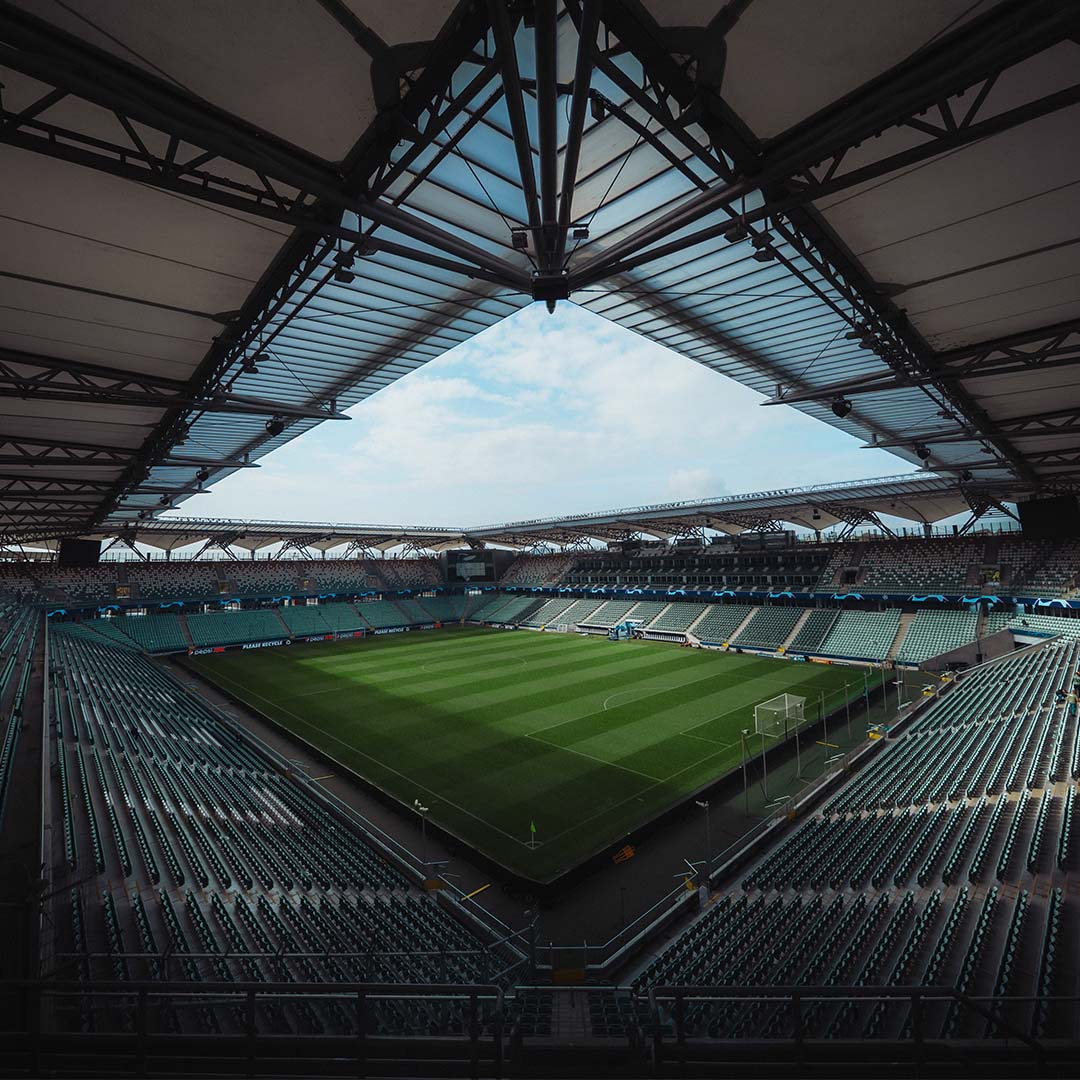
Across Canada, Mexico and the United States, 16 stadiums welcomed the world’s best teams and millions of fans. Each venue became more than a stadium. It became a winning ground, a stage for ambition, drama, triumph and unforgettable memories.
Explore the Winning Grounds


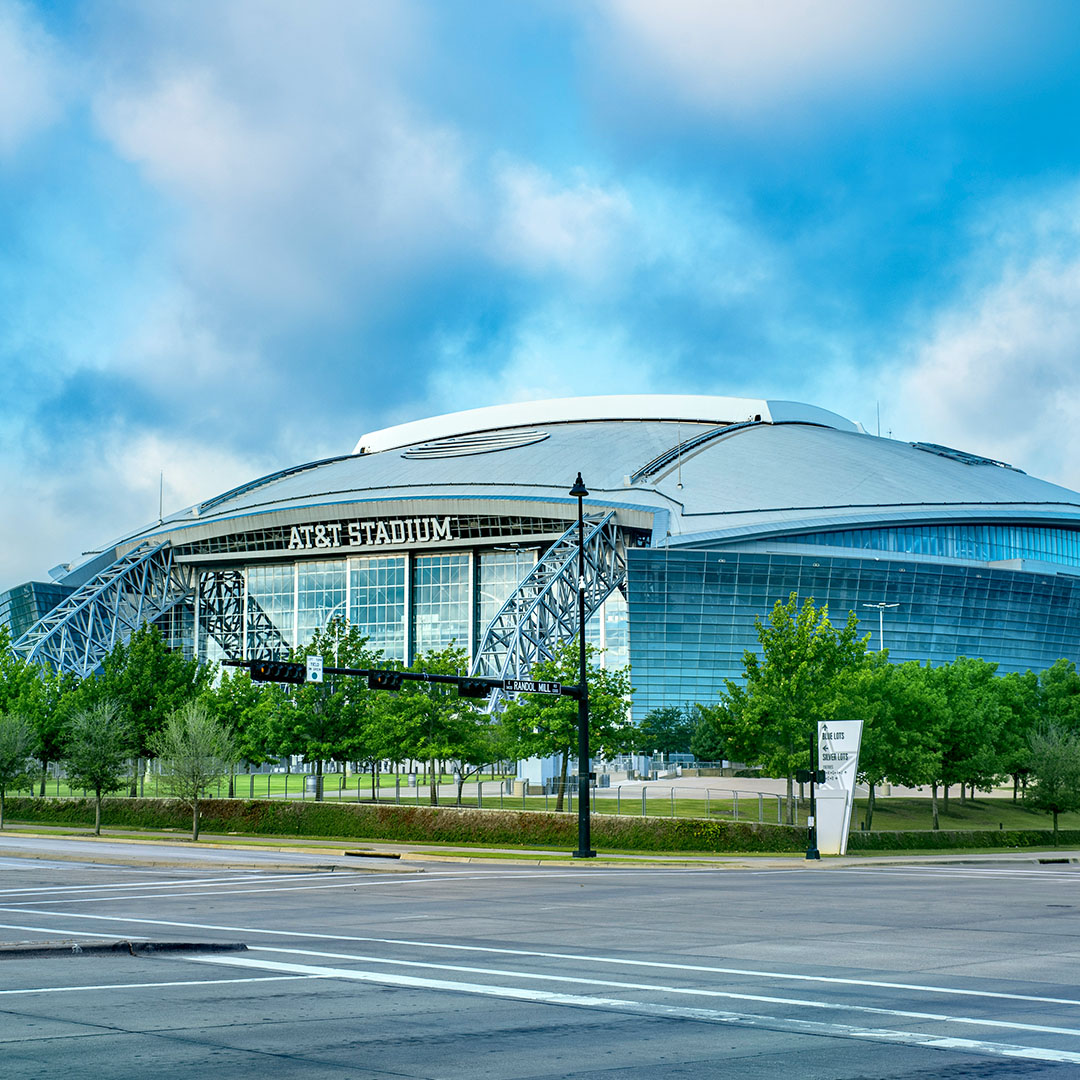


Winning Ground spotlight: AT&T Stadium
How do you grow a World Cup-quality pitch inside a stadium built for American football?
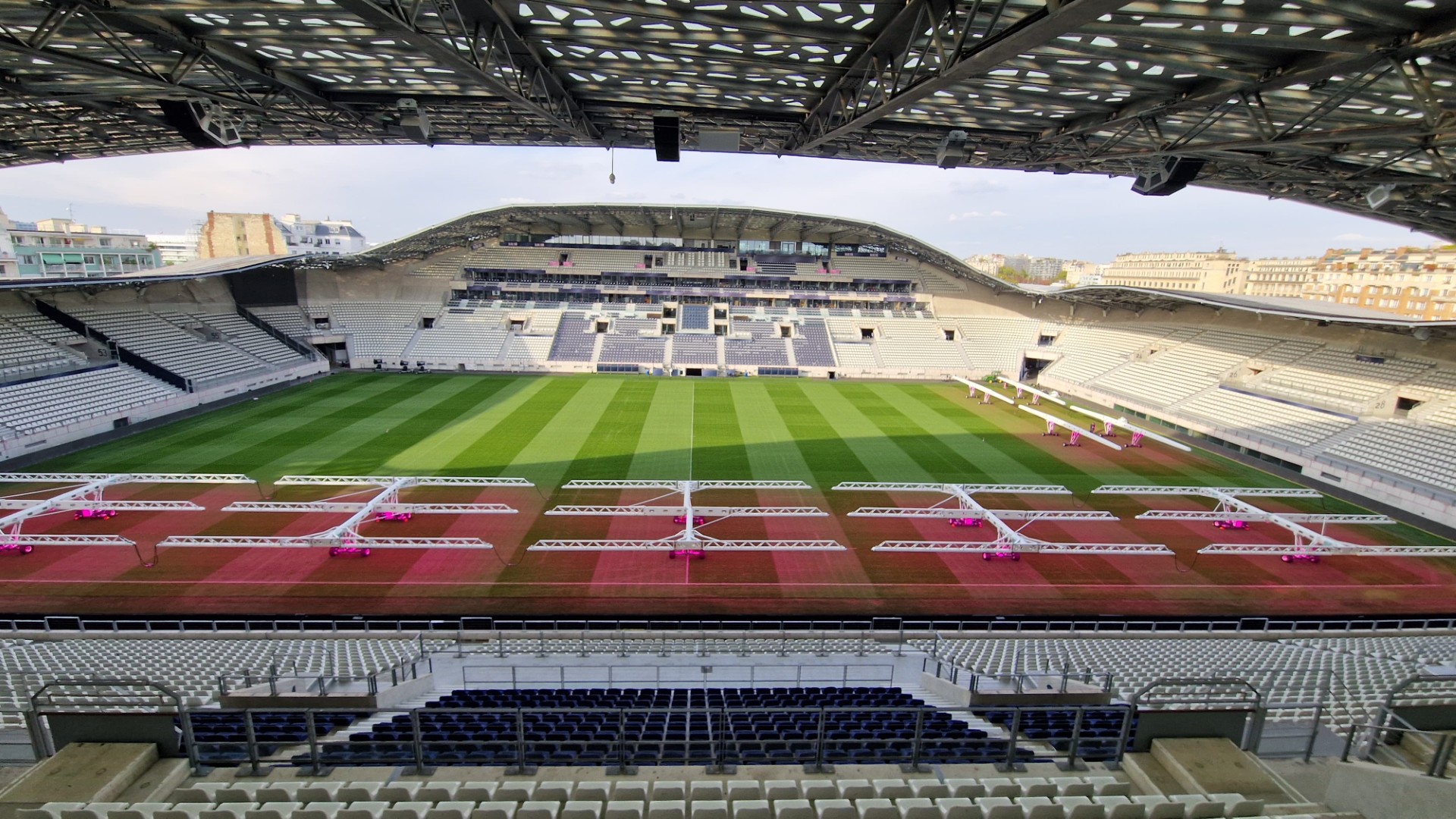
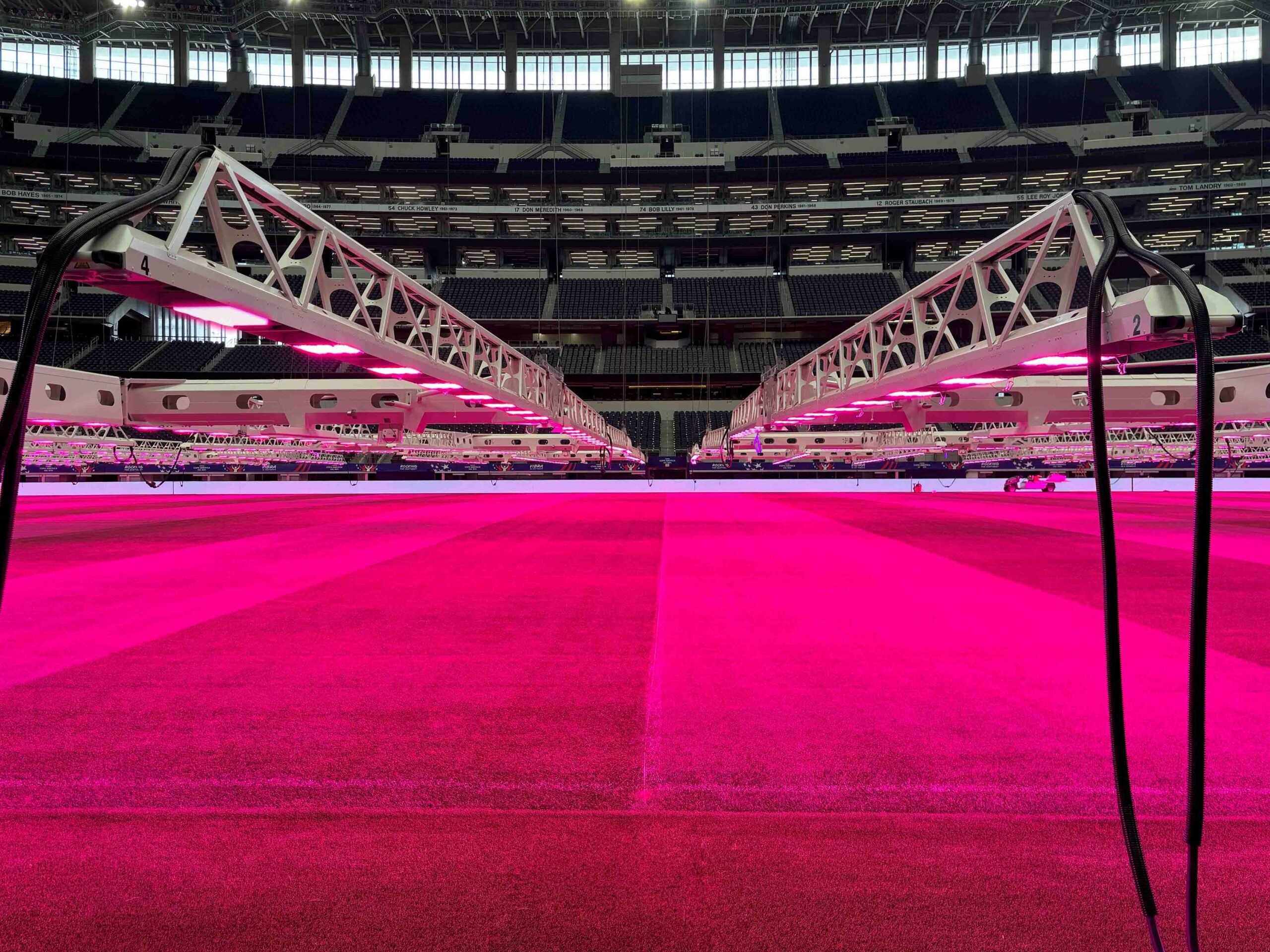
During the 2026 World Cup, AT&T Stadium was known as Dallas Stadium and transformed from an artificial turf venue into a natural grass football pitch. At the heart of the transformation were 18 LED grow lights suspended from the stadium roof, providing light across the entire playing surface.
A world-first solution that helped the grounds team create the conditions needed for top-level football.
My Winning Ground
The moments we remember started long before the first whistle. Behind every match was a dedicated grounds team, putting in thousands of hours to prepare and maintain the pitch at the highest possible level.
Meet the people behind the pitches and discover the stories, challenges and passion that helped shape the World Cup experience.
We are in a really good position. The Club World Cup helped us tremendously in understanding what is needed to prepare for a tournament of this scale. It showed us what is required, what works, and where we need to focus our efforts to be fully prepared for the World Cup.
Tony Leonard, Director of Grounds – Philadelphia Stadium

It’s going to be an interesting World Cup. Stadiums are spread across Canada, the United States and Mexico, and thus have very different growing climates. It will be a challenge to get consistency across all of the sixteen playing fields, so the ball bounces and rolls the same way on each surface.
Robert Heggie, Director of Grounds – Toronto Stadium

The scale of this tournament is incredible. It’s not just about the 16 stadiums but also the 48 host camps and 32 training sites. The number of sports turf professionals involved is massive.
Tyler Morris, Head Sports Field Manager – New York/New Jersey Stadium

The focus is on consistency and uniformity, for 104 matches across 16 stadiums — including five indoors — at different altitudes, in different countries and on two types of grass, the goal is to make them play the same. That has been my vision and goal from the beginning.
John Sorochan, Ph.D., Distinguished Professor Turfgrass Science – University of Tennessee

World Cup Daily
 News Channel
New York Times
News Channel
New York Times
 News Channel
BBC
News Channel
BBC
 News Channel
The Washington Post
News Channel
The Washington Post

 Instagram
ITV News
Instagram
ITV News
 Podcast
CNBC Sport
Podcast
CNBC Sport
 YouTube
CBS Texas
YouTube
CBS Texas

 LinkedIn
FIFA World Cup 26™ Houston
LinkedIn
FIFA World Cup 26™ Houston
Behind the headlines
You watched the matches. You followed the headlines. You saw the celebrations, the interviews and the unforgettable moments.
But what about the details behind the scenes?
Throughout the World Cup, SGL grow lights were quietly working in the background, helping grounds teams maintain the pitches at the level the world’s biggest tournament demands.
Often hidden in plain sight, they were part of the story without ever being the headline.
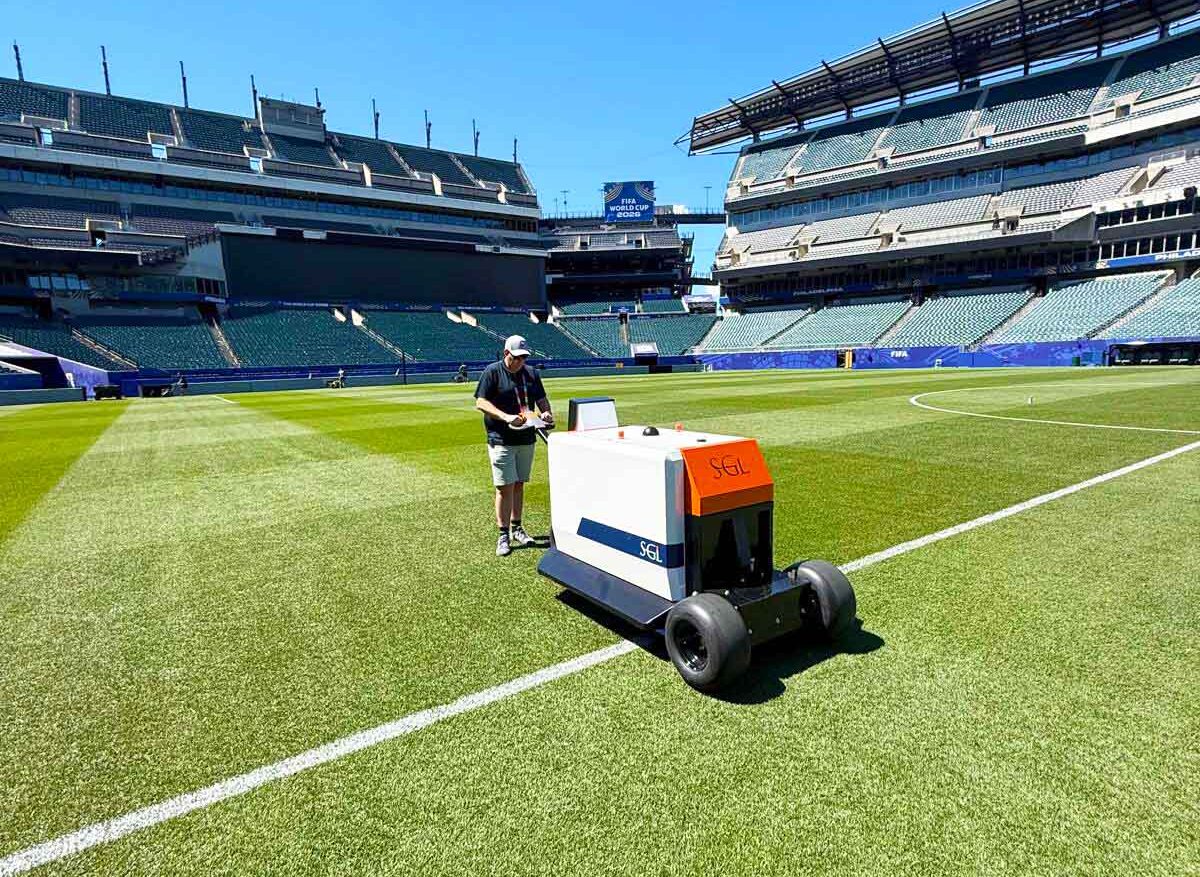
World Cup pitch testing with fLEX
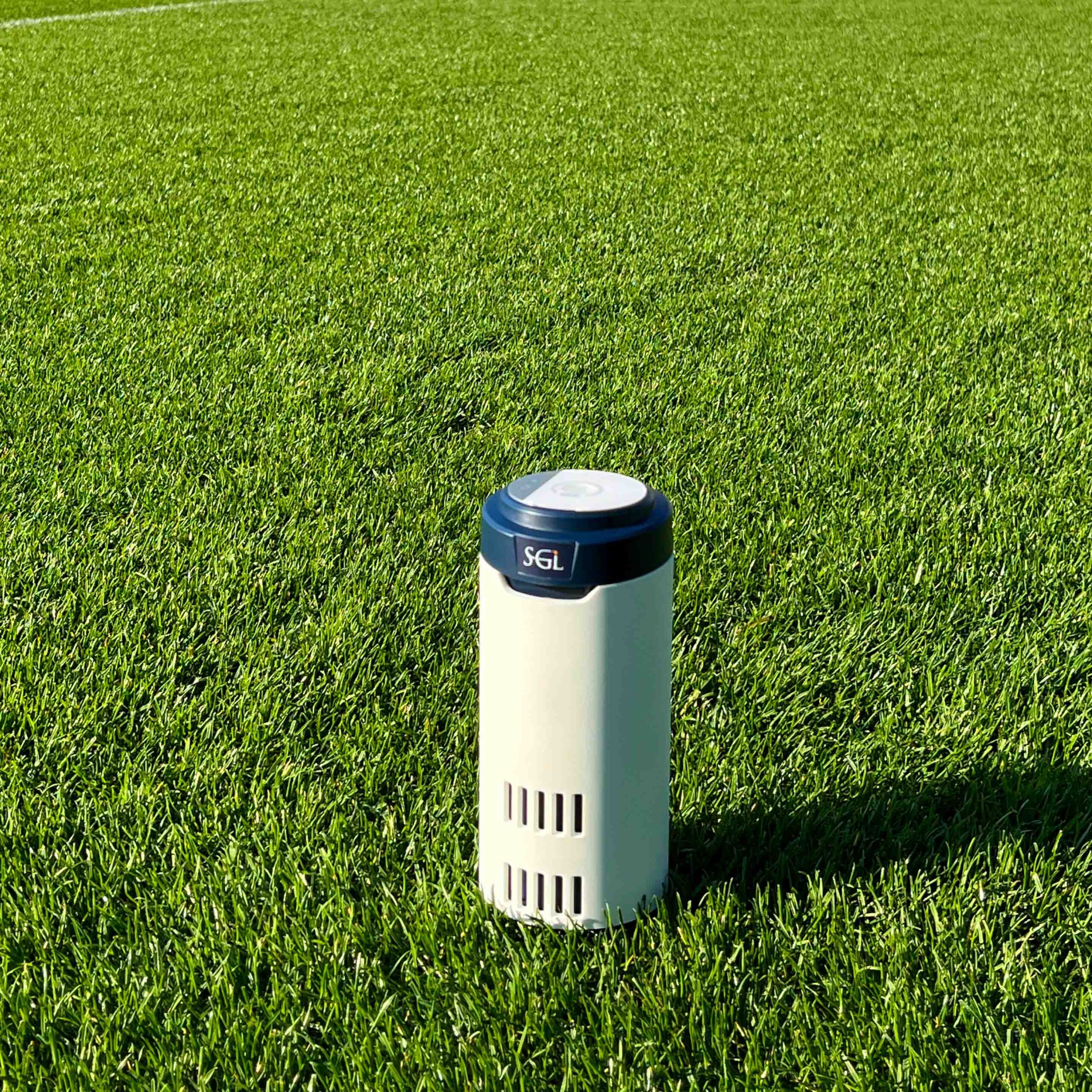
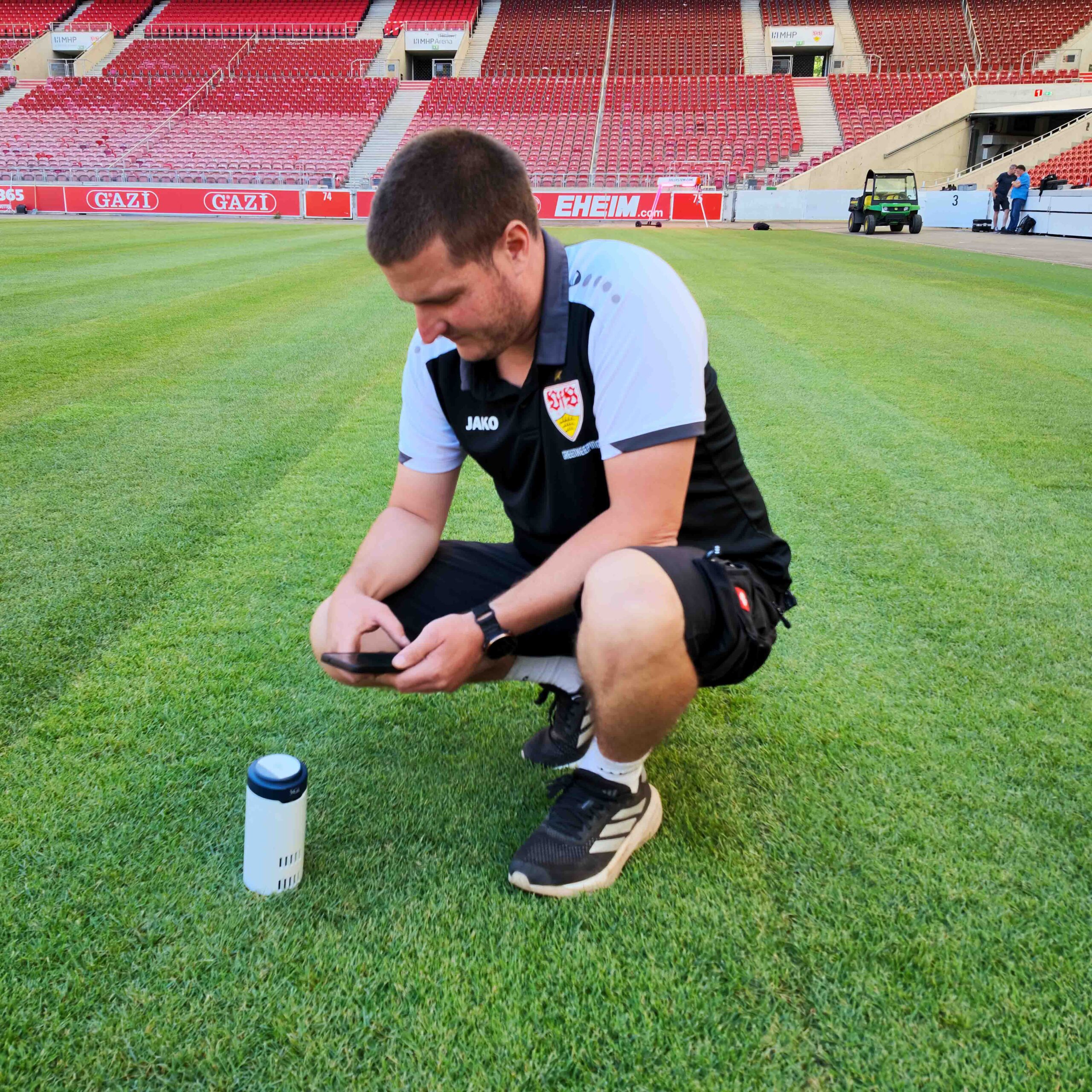
Every World Cup moment starts with confidence in the surface beneath the game. To help provide that confidence, SGL’s fLEX was selected to assess pitch quality across all 16 stadiums and 32 training facilities throughout the tournament.
By combining true player-to-surface simulation with detailed performance insights, fLEX provided a unique understanding of how each pitch performed when it mattered most.
Join Dr. Kyley Dickson, Co-founder and Director of fLEX at SGL, for an inside look at the technology that helped assess the winning grounds of the 2026 World Cup.
Updates
Check out the latest news and updates