World Cup Winning Grounds 2026 celebrates the pitches, stadiums, training grounds and people that make the tournament possible. As pitch performance provider for World Cup 2026, SGL helps create the conditions for world-class performance on football’s biggest stage. Discover the expertise, technology and dedication behind the game’s most memorable moments.
The World Cup is where the world comes together. Where nations dream, fans unite and unforgettable moments become part of football history.
Across Canada, Mexico and the United States, sixteen stadiums will host the biggest tournament on earth. Each one is more than a venue. It is a winning ground. A stage for ambition, drama, triumph and unforgettable memories.
Guadalupe, Nuevo León, Mexico
Estadio Monterrey is a World Cup Winning Ground set against the dramatic mountains of Nuevo León. Better known as Estadio BBVA, the modern venue in Guadalupe is home to CF Monterrey (Liga MX) and will host four World Cup matches. With a capacity of 53,500, it has quickly become one of the most impressive football venues in Latin America.
Opened in 2015, the stadium is famous for its modern design and spectacular mountain backdrop. During the World Cup, that setting will create one of the tournament’s most striking football scenes.
Atlanta, Georgia, U.S.
Atlanta Stadium is a World Cup Winning Ground built for the biggest moments. Home to the NFL’s Atlanta Falcons and MLS side Atlanta United FC, the futuristic venue will host eight World Cup matches, including the second semi-final. Known worldwide as Mercedes-Benz Stadium, it is famous for its spectacular retractable roof that opens like a camera lens.
Originally designed with artificial turf, the stadium will transform into a natural grass venue for the World Cup, bringing a completely new playing surface into one of the most high-tech stadiums in world sport.
Foxborough, Massachusetts, U.S.
Boston Stadium is a true World Cup Winning Ground. Better known as Gillette Stadium, the venue in Foxborough is home to the NFL’s New England Patriots and MLS side New England Revolution. During the tournament, it will host seven matches in a stadium built for big occasions and passionate crowds.
Opened in 2002, the stadium has become one of the most recognisable sports venues in the United States. For 2026, the pitch will once again take centre stage, transforming an iconic American football venue into a football arena watched by millions around the world.
Arlington, Texas, U.S.
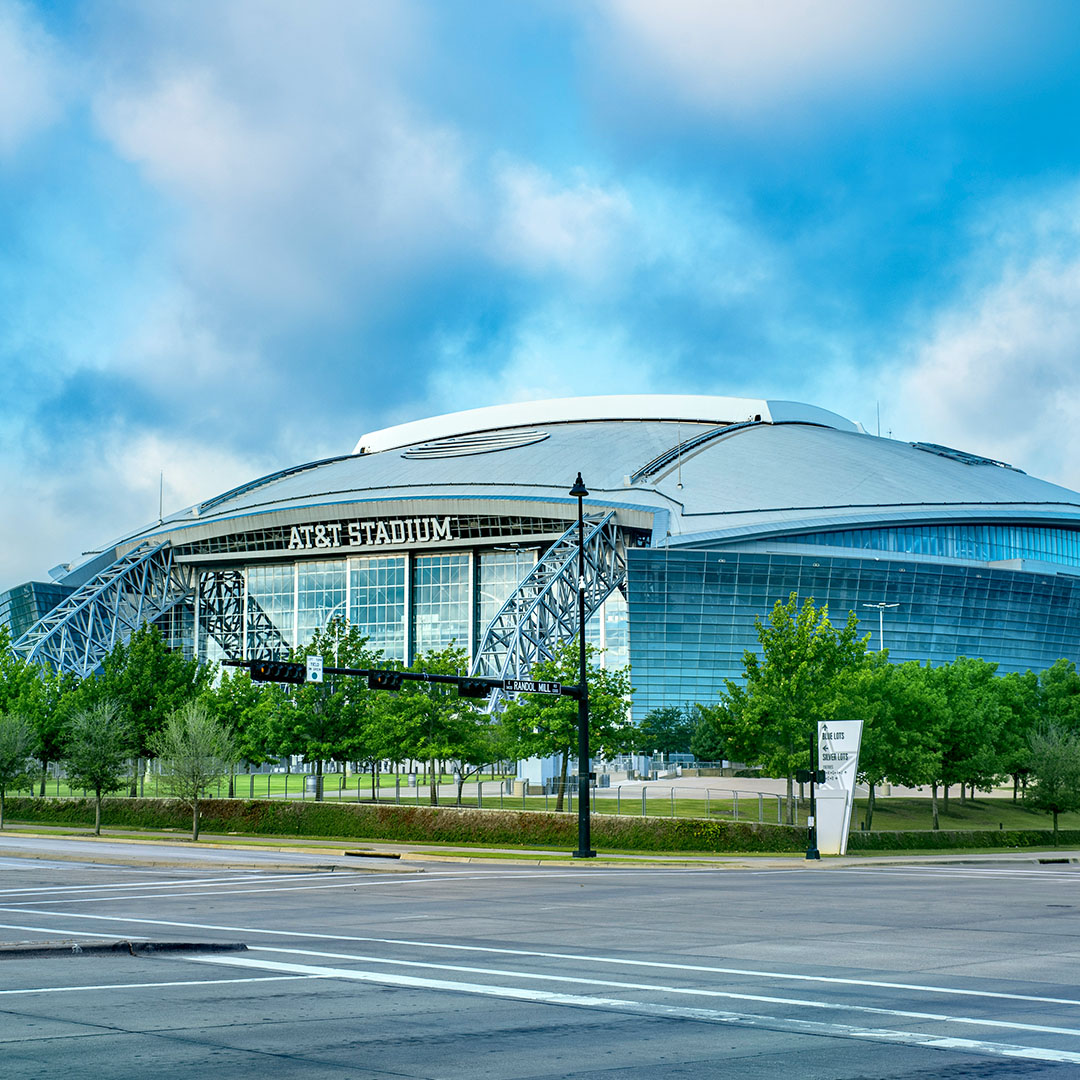
Dallas Stadium is a World Cup Winning Ground on a scale few venues in world sport can match. Better known as AT&T Stadium, the massive arena in Arlington is home to the Dallas Cowboys (NFL) and will host nine World Cup matches, including the first semi-final. With a capacity of 94,000, it will be the largest stadium of the tournament and one of the biggest stages in global sport.
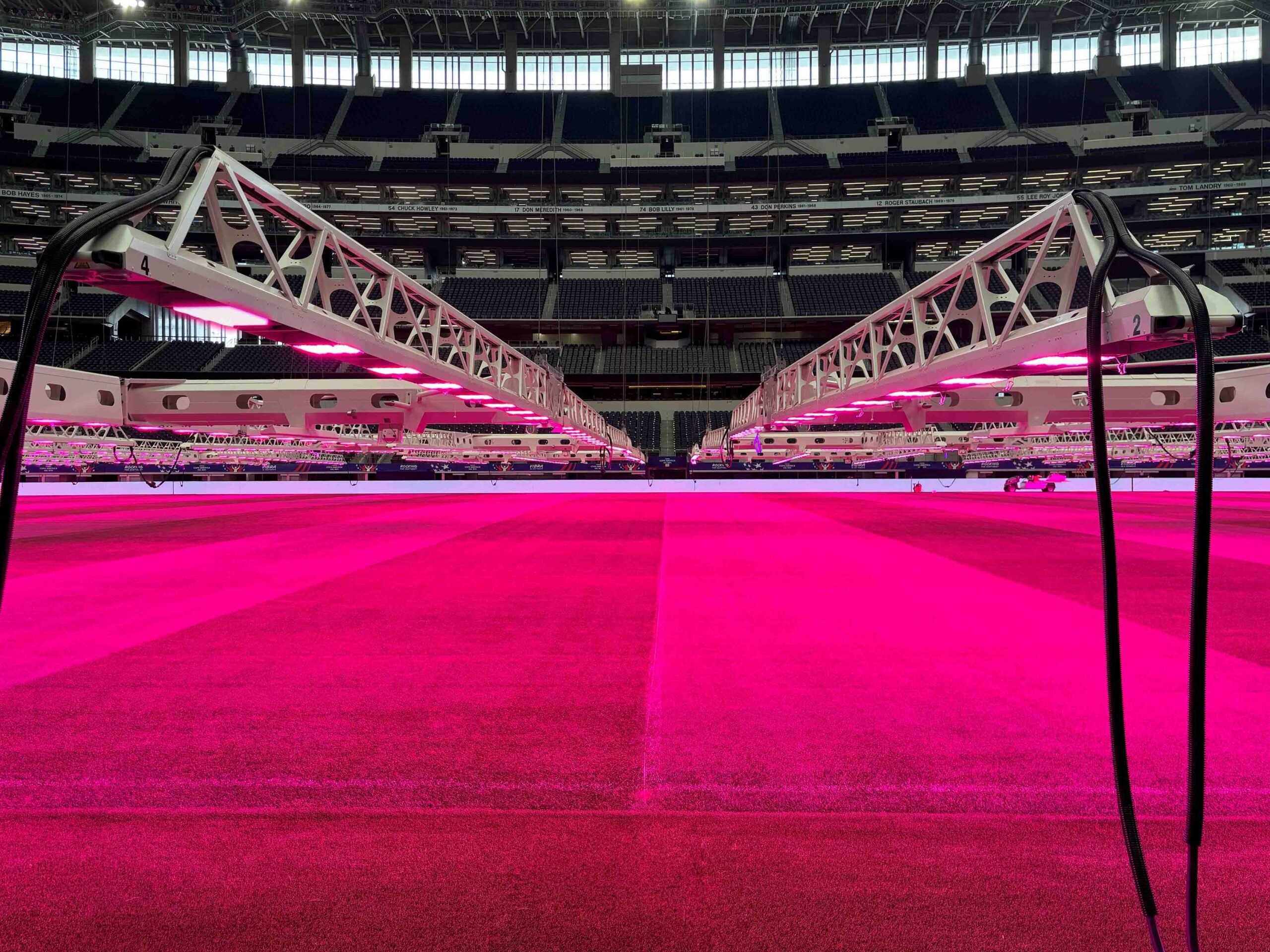
Opened in 2009, the stadium has become a benchmark for innovation in pitch management. It is the first venue in the world to use a grow light structure suspended directly from the roof, allowing easy deployment and maintenance underneath the unit without any pressure on the playing surface. During the World Cup, that technology will help prepare one of the tournament’s biggest stages for football’s biggest moments.
Mexico City, Mexico
Estadio Azteca is one of football’s most legendary World Cup Winning Grounds. Known today as Estadio Banorte, the iconic Mexico City venue is home to Club América (Liga MX) and the Mexico national football team and will host five matches during the tournament, including the opening match of the 2026 FIFA World Cup. With a capacity of 83,000, it remains one of the largest and most historic football stadiums in the world.
Opened in 1966, the stadium has already witnessed some of football’s greatest moments. It hosted the World Cup finals of 1970 and 1986 and became the stage for Diego Maradona’s famous “Hand of God” goal and unforgettable solo strike against England. Few stadiums carry a football legacy as powerful as this one.
Zapopan, Mexico
Estadio Guadalajara is a World Cup Winning Ground where modern design meets Mexican football passion. Better known as Estadio Akron, the venue in Zapopan is home to Chivas Guadalajara (Liga MX) and will host four World Cup matches. With a capacity of 48,000, the stadium is known for creating an intense and intimate football atmosphere.
Opened in 2010, the venue stands out for its striking architecture and steep stands that keep supporters close to the action. Surrounded by one of Mexico’s strongest football cultures, the atmosphere promises to be unforgettable.
Houston, Texas, U.S.
Houston Stadium is a World Cup Winning Ground where football will unfold beneath one of the tournament’s most iconic roofs. Known as NRG Stadium, the Houston venue is home to the Houston Texans (NFL) and will host seven World Cup matches. With a capacity of 72,000, it has become one of Texas’ premier destinations for major sporting events.
Opened in 2002, the stadium became the first NFL venue with a retractable roof, creating a completely different atmosphere depending on the weather outside. From packed NFL crowds to international football audiences, the stadium has built a reputation for hosting sport on one of America’s biggest stages.
Kansas City, Missouri, U.S.
Kansas City Stadium is a World Cup Winning Ground with one of the loudest reputations in sport. Better known as Arrowhead Stadium, the Missouri venue is home to the Kansas City Chiefs (NFL) and will host six World Cup matches. With a capacity of 73,000, the stadium is famous for its passionate supporters and intimidating atmosphere.
Opened in 1972, Arrowhead has become an American football icon over the decades. During the World Cup, one of the sport’s most intimidating home crowds will make way for a completely different kind of football energy, bringing the global game into one of America’s most historic stadiums.
Inglewood, California, U.S.
Los Angeles Stadium is a World Cup Winning Ground built for spectacle. Known globally as SoFi Stadium, the venue in Inglewood is home to the Los Angeles Rams (NFL) and Los Angeles Chargers (NFL) and will host eight World Cup matches. With a capacity of 70,000, it stands among the newest and most visually striking stadiums in world sport.
Opened in 2020, the stadium is famous for its enormous roof canopy and futuristic design, creating a venue that feels more like an entertainment landmark than a traditional stadium. In a city built around global entertainment, football will take centre stage during the summer of 2026.
Miami Gardens, Florida, U.S.
Miami Stadium is a World Cup Winning Ground where football meets the energy of South Florida. Better known as Hard Rock Stadium, the venue in Miami Gardens is home to the Miami Dolphins (NFL) and will host seven World Cup matches, including the tournament’s third-place match. With a capacity of 65,000, it has become one of the most recognisable sports venues in the United States.
Opened in 1987, the stadium has welcomed everything from Super Bowls to Formula 1 and some of the biggest names in music. With palm trees, heat and a vibrant international atmosphere surrounding the venue, few World Cup locations will feel quite like Miami.
East Rutherford, New Jersey, U.S.
New York / New Jersey Stadium is the World Cup Winning Ground where football history will be made. Known as MetLife Stadium, the venue in East Rutherford is home to the New York Giants (NFL) and New York Jets (NFL) and will host eight matches during the tournament, including the 2026 FIFA World Cup final on 19 July. With a capacity of 82,500, it will become the centre of the football world next summer.
Opened in 2010, the stadium sits just outside Manhattan and has already hosted major international football events, including the 2025 FIFA Club World Cup final. In 2026, the eyes of the world will once again turn to this stage for football’s biggest night.
Philadelphia, Pennsylvania
Philadelphia Stadium is a World Cup Winning Ground shaped by passion and sporting tradition. Better known as Lincoln Financial Field, the Pennsylvania venue is home to the Philadelphia Eagles (NFL) and will host six World Cup matches. With a capacity of 69,000, the stadium is known for its intense atmosphere and loyal fan culture.
Opened in 2003, the venue has become one of the defining sports landmarks on the American east coast. During the World Cup, that same energy will welcome supporters from around the globe into the heart of Philadelphia.
Santa Clara, California, U.S.
San Francisco Bay Area Stadium is a World Cup Winning Ground built in the heart of innovation. Better known as Levi’s Stadium, the Santa Clara venue is home to the San Francisco 49ers (NFL) and will host six World Cup matches. With a capacity of 71,000, it combines modern stadium design with the forward-thinking spirit of Silicon Valley.
Opened in 2014, the stadium quickly became one of the most advanced sports venues in the United States. During the tournament, football will take over one of the world’s leading technology regions.
Seattle, Washington, U.S.
Seattle Stadium is a World Cup Winning Ground famous for its atmosphere. Known as Lumen Field, the venue is home to the Seattle Seahawks (NFL) and Seattle Sounders FC (MLS) and will host six World Cup matches. With a capacity of 69,000, it has earned a global reputation for crowd noise and passionate supporters.
Opened in 2002, the stadium has become one of North America’s strongest football environments. When the stands fill during the World Cup, Seattle promises to become one of the tournament’s loudest and most energetic destinations.
Toronto, Ontario
Toronto Stadium is a World Cup Winning Ground at the centre of Canada’s football rise. Better known as BMO Field, the waterfront venue is home to Toronto FC (MLS) and will host six World Cup matches. With a capacity of 45,000, it will provide one of the tournament’s most intimate and football-focused atmospheres.
Opened in 2007, the stadium has become one of the most important football venues in Canada and home to countless memorable international matches. In 2026, Toronto will welcome the world to a city where football continues to grow faster than ever.
Vancouver, British Columbia
Vancouver Stadium is a World Cup Winning Ground framed by one of the world’s most recognisable stadium roofs. Known as BC Place, the downtown venue is home to the BC Lions (CFL) and Vancouver Whitecaps FC (MLS) and will host seven World Cup matches. With a capacity of 54,000, it stands as one of Canada’s most iconic sporting venues.
Opened in 1983, the stadium sits between mountains and water in the heart of Vancouver. That dramatic setting will create one of the tournament’s most unique backdrops when football arrives on Canada’s west coast.
Long before the first whistle, thousands of hours go into preparing the world’s biggest stage. Meet the people behind the pitches and discover the stories, challenges and passion that shape every World Cup moment.
We are in a really good position. The Club World Cup helped us tremendously in understanding what is needed to prepare for a tournament of this scale. It showed us what is required, what works, and where we need to focus our efforts to be fully prepared for the World Cup.
Tony Leonard, Director of Grounds – Philadelphia Stadium
It’s going to be an interesting World Cup. Stadiums are spread across Canada, the United States and Mexico, and thus have very different growing climates. It will be a challenge to get consistency across all of the sixteen playing fields, so the ball bounces and rolls the same way on each surface.
Robert Heggie, Director of Grounds – Toronto Stadium
The scale of this tournament is incredible. It’s not just about the 16 stadiums but also the 48 host camps and 32 training sites. The number of sports turf professionals involved is massive.
Tyler Morris, Head Sports Field Manager – New York/New Jersey Stadium
The focus is on consistency and uniformity, for 104 matches across 16 stadiums — including five indoors — at different altitudes, in different countries and on two types of grass, the goal is to make them play the same. That has been my vision and goal from the beginning.
John Sorochan, Ph.D., Distinguished Professor Turfgrass Science – University of Tennessee
Dallas Stadium is a World Cup Winning Ground on a scale few venues in world sport can match. Better known as AT&T Stadium, the massive arena in Arlington is home to the Dallas Cowboys (NFL) and will host nine World Cup matches, including the first semi-final. With a capacity of 94,000, it will be the largest stadium of the tournament and one of the biggest stages in global sport.
Opened in 2009, the stadium has become a benchmark for innovation in pitch management. It is the first venue in the world to use a grow light structure suspended directly from the roof, allowing easy deployment and maintenance underneath the unit without any pressure on the playing surface. During the World Cup, that technology will help prepare one of the tournament’s biggest stages for football’s biggest moments.
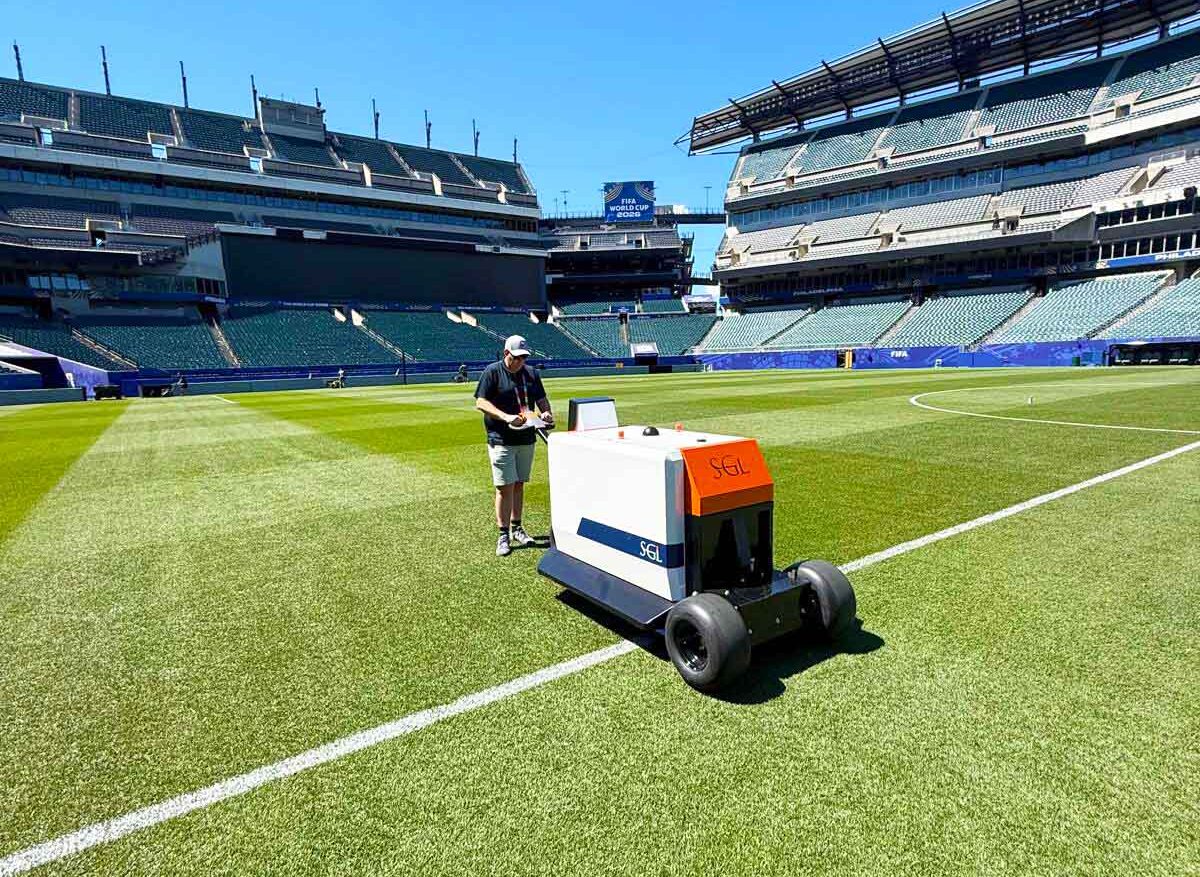
Every World Cup moment starts with confidence in the surface beneath the game. To help deliver that confidence, FIFA has selected SGL’s fLEX to assess the pitch quality of all 16 stadiums and 32 training facilities throughout the tournament.
By combining true player-to-surface simulation with detailed performance insights, fLEX provides a unique understanding of how a pitch will perform when it matters most.
Join Dr. Kyley Dickson, Co-founder and Director of fLEX at SGL, for an inside look at the technology helping prepare the winning grounds of the 2026 World Cup.
If you would like to know how our products and services can help you maintain a high-quality and safe playing surface all throughout the year, get in touch. Just fill out the form to schedule an appointment with one of our agronomists.