Reading the pitch the way a player feels it
When billions of people tune in to the FIFA World Cup this summer, almost none of them will be thinking about the grass. That is exactly the point. A pitch only gets noticed when something goes wrong: an awkward bounce, a slip at a decisive moment, a player turning an ankle on a surface that gave way. Keeping the surface out of the story is the whole job of the people who prepare these pitches, and one of the tools helping them do it is fLEX.
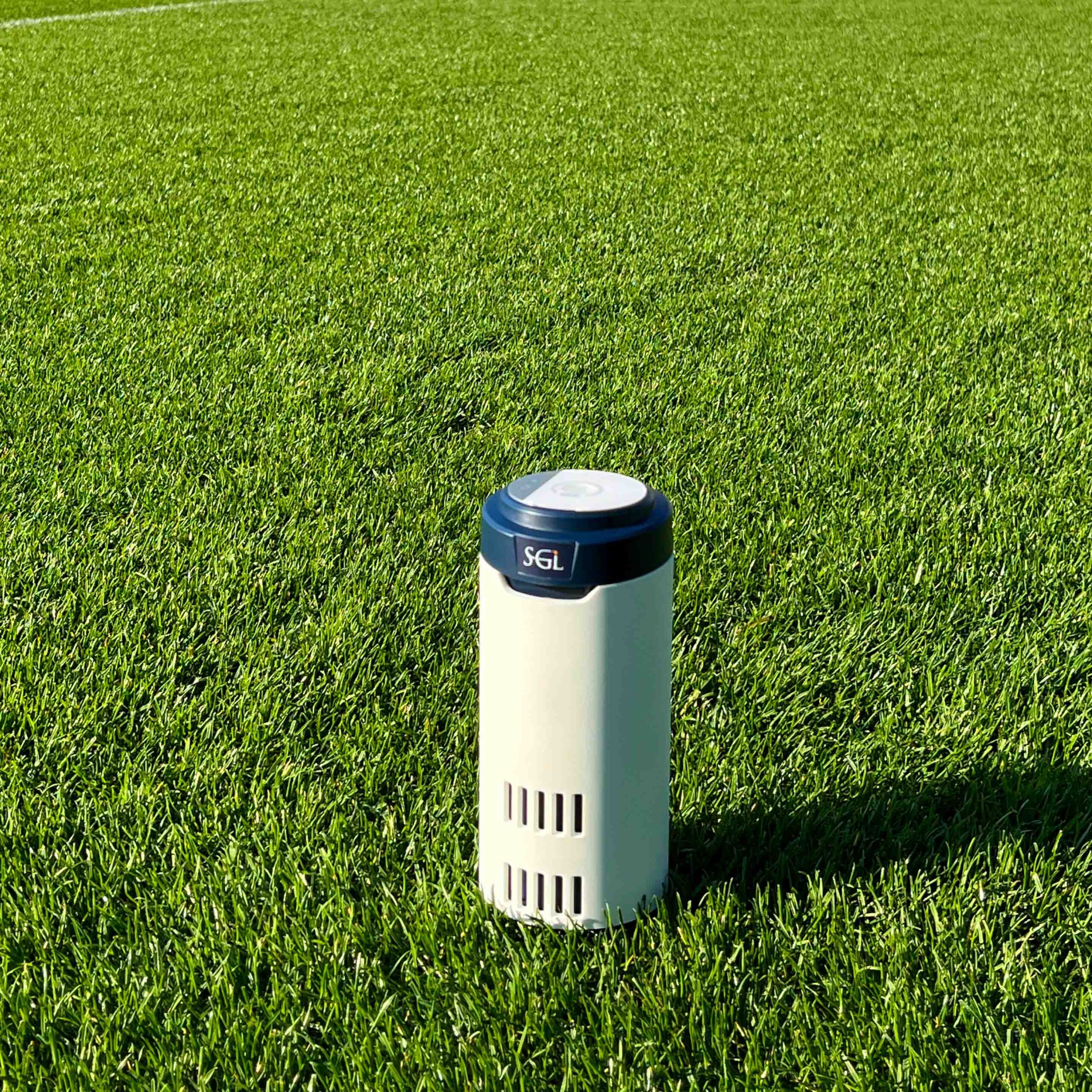
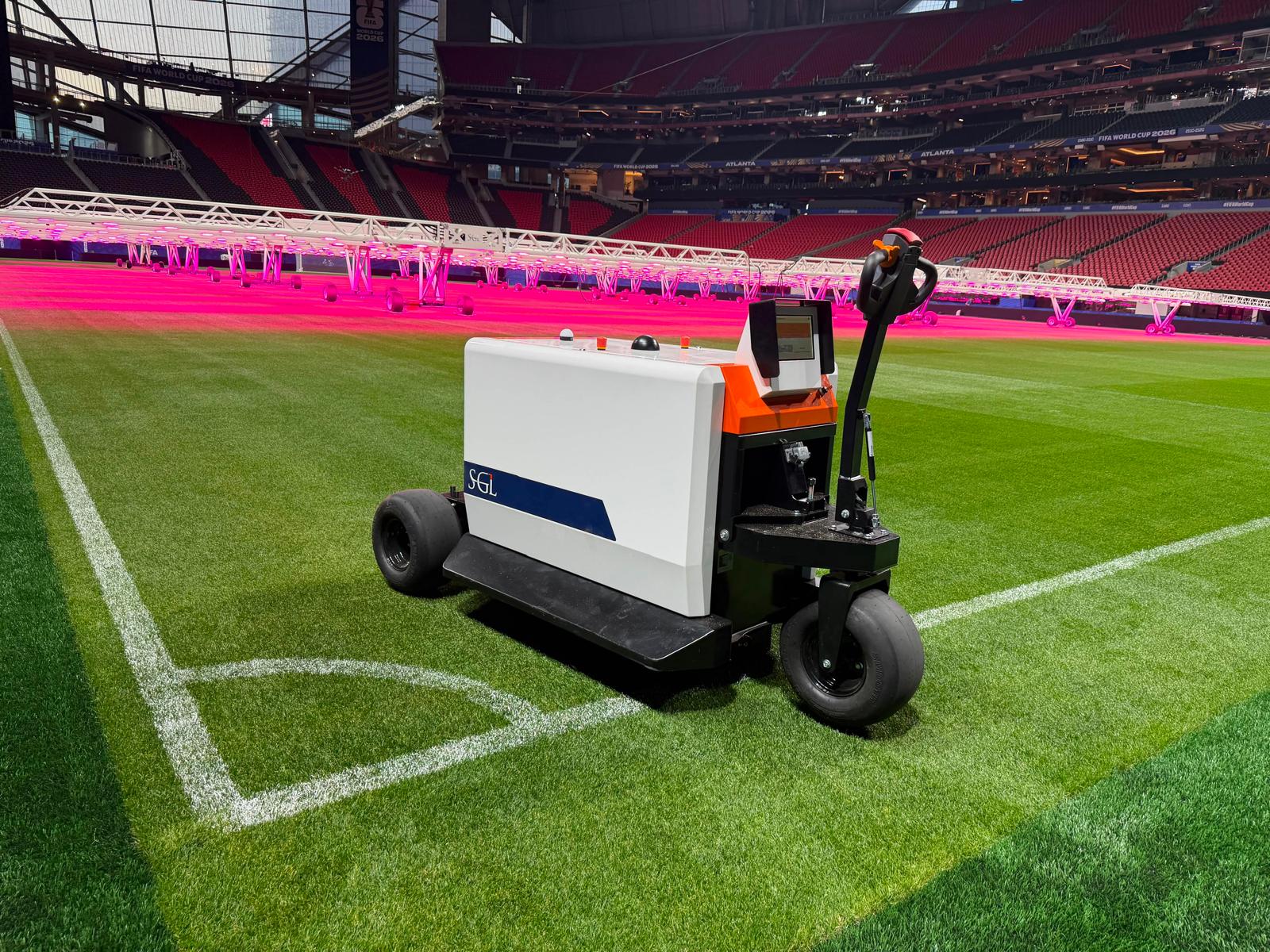
fLEX measures something that, until recently, no portable device could capture: what a pitch actually feels like to the athlete running on it. Rather than recording temperature, moisture or simple hardness, it recreates the moment a player’s foot strikes the ground and measures what the surface gives back, the closest the industry has come to seeing the game through the athlete’s experience.

Born on the field, not in the lab
fLEX began at the University of Tennessee with two turfgrass scientists: Dr John Sorochan, a Distinguished Professor of Turfgrass Science and Management, and Dr Kyley Dickson, who started the project as a research scientist and today leads fLEX as its Director at SGL, which acquired the technology in 2025. The catalyst was a safety dispute. When the NFL scheduled a game in Mexico in 2018. It had passed the standard hardness tests, yet it was judged the surface too inconsistent and poorly rooted to be safe, and the game was moved.
The episode exposed a gap that Kyley describes plainly. “There was a gap in technology to bring more in-depth player-to-surface interaction testing in a more realistic way,” he says. “So we started thinking, how could we detect aspects of the pitch that current testing devices were missing?” The answer, conceived in December 2019, was refreshingly direct: instead of inventing an abstract proxy, the team chose to imitate the very thing they wanted to measure. “We came up with the idea of simulating a foot striking the ground,” Kyley explains, “not just measuring firmness or surface hardness, but really understanding the interaction between athlete and pitch.”
Early prototypes used a 3D-printed foot fitted inside a real football boot, driven into the surface at realistic angles and speeds, with sensors around the foot and ankle capturing the energy that travels back up into the leg, the part of the interaction older tests ignored. There was even a simple test for whether the device was right. “If the impact of the cleat looks the same as what an athlete makes,” Kyley says, “even before we collect any data, we know we’re doing something right.”

Built with grounds teams in mind
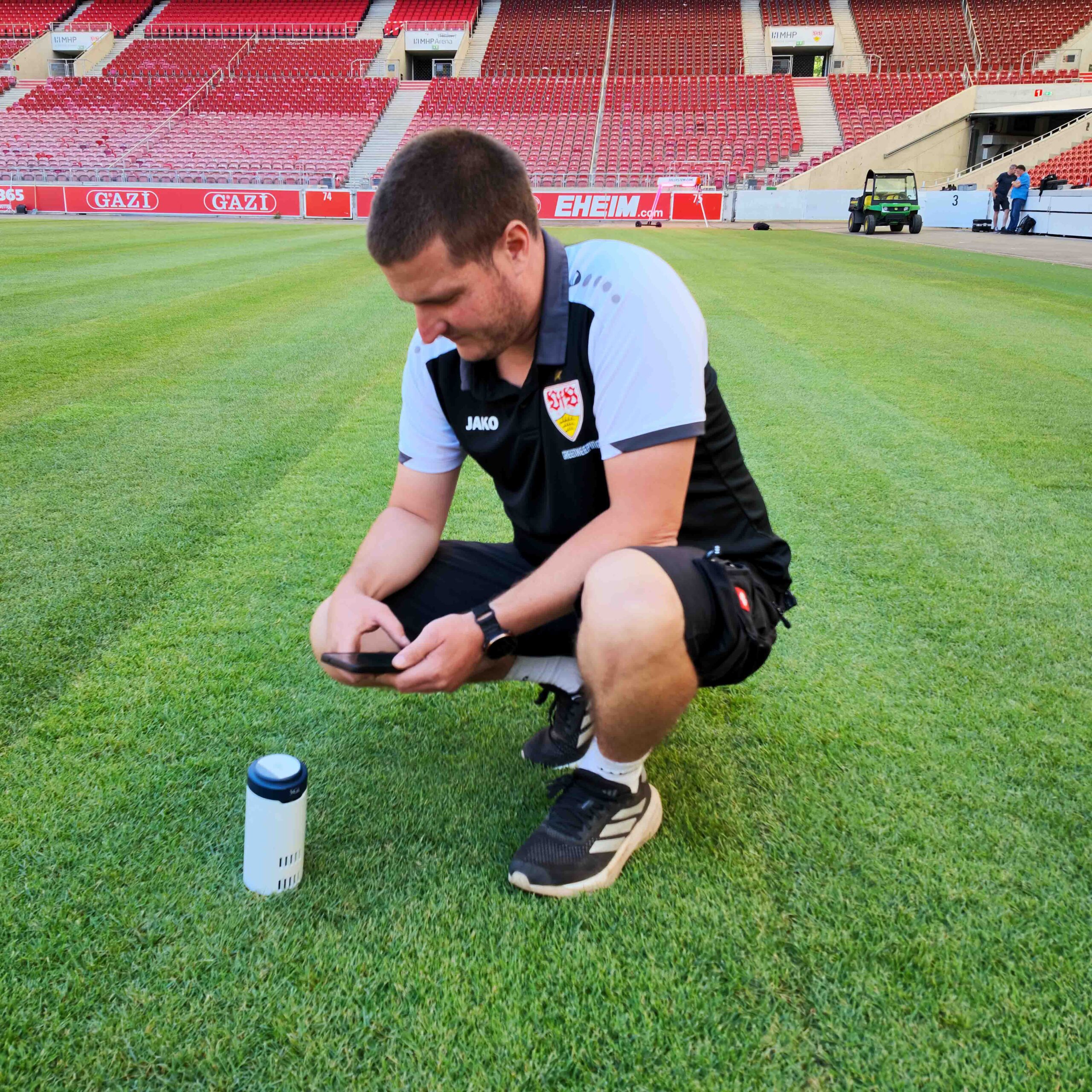
Scientific credibility alone was never going to be enough. A device that grounds teams find cumbersome simply sits in a shed, so fLEX was refined on real pitches rather than in a workshop. Kyley personally tested more than 130 professional fields, working alongside head groundskeepers and adjusting the machine to fit the way they actually work, down to the tyres and the lift handles. “This whole device was developed with groundsmen in mind,” he says. “Every version we built, we asked: would a groundsman let us use this on their pitch?”
Validated at the University of Tennessee’s biomechanics laboratory and calibrated to reproduce foot strikes for athletes of very different sizes, fLEX moved from prototype to product with help from a Chancellor’s Innovation Fund award. Today the gears are set and released at the touch of a button, and the software generates a report automatically, complete with summary, graphs and a heat map of variation across the pitch. The standard was straightforward, as Kyley puts it: “We wanted it to be reliable, simple and efficient, something you could use, get results, and be off the pitch in under an hour, without causing damage.”

What fLEX measures
fLEX turns the feel of a pitch into numbers a grounds team can act on. Traction as the foot grips and releases, the difference between confident acceleration and a slip. Surface firmness captures the vertical force, describing how hard or soft the ground is underfoot. Energy return measures how much the surface pushes back into the leg, and lateral foot force gauges the side-to-side stress on the ankle. Field variability brings it together, expressing how consistent the surface is from one part of the pitch to another.
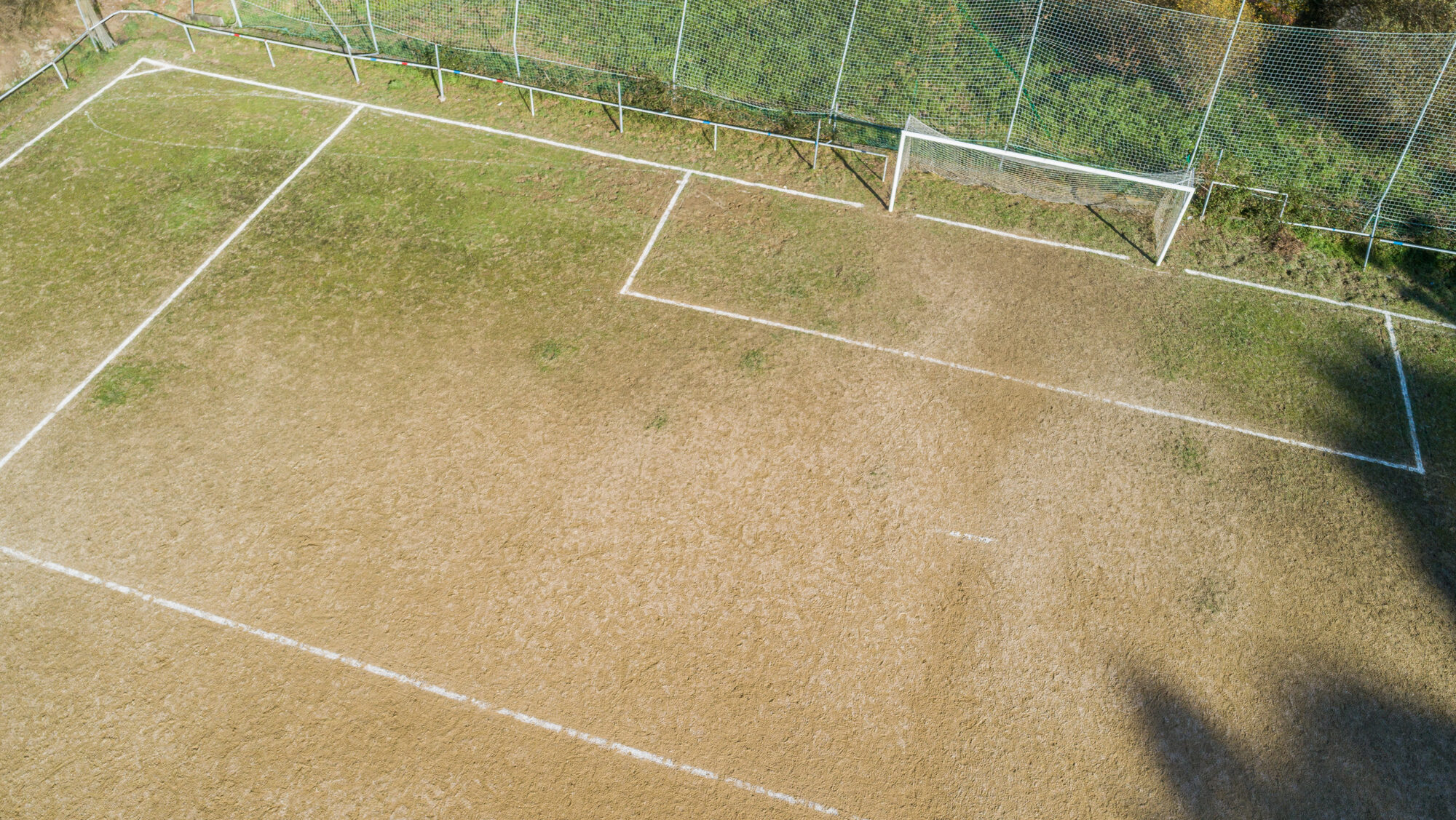
That last figure matters more than it might sound. As Sorochan has long argued, an inconsistent surface is an unsafe one. A pitch can post acceptable average numbers while hiding a soft, low-traction corner where a player is one bad step from injury. By mapping the whole field rather than a single spot, fLEX makes those weak zones visible before they decide a match. “It’s a feedback tool,” Kyley says. “It helps you understand what’s working, what’s not, and what needs attention.” Its readings can also be cross-checked against grow-light use, watering and soil-moisture data, connecting a symptom on the pitch to a cause in the maintenance routine. “You might see a shaded area with lower traction, then go back and see the grow lights weren’t used there,” he adds. “It all connects.”

A role at the World Cup
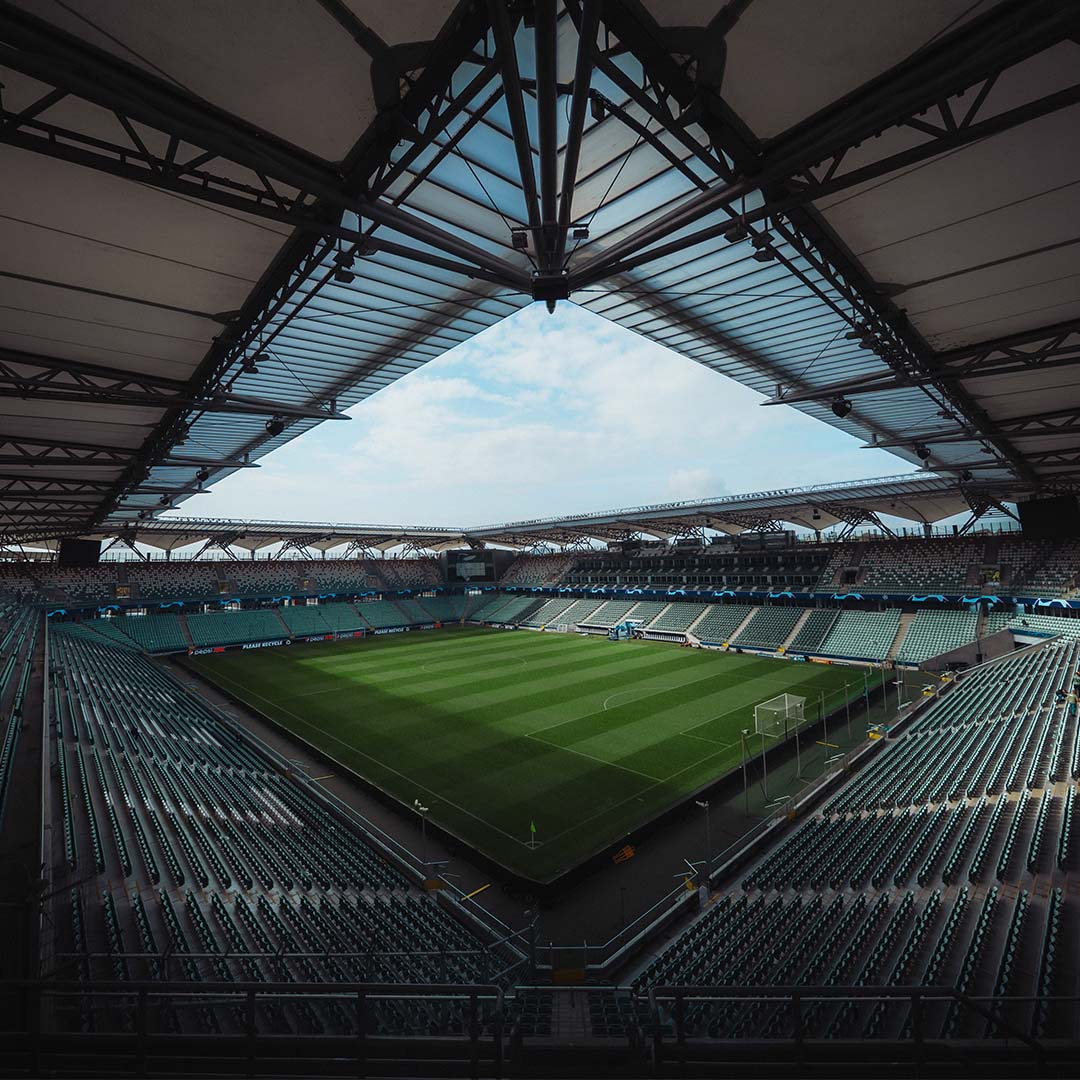
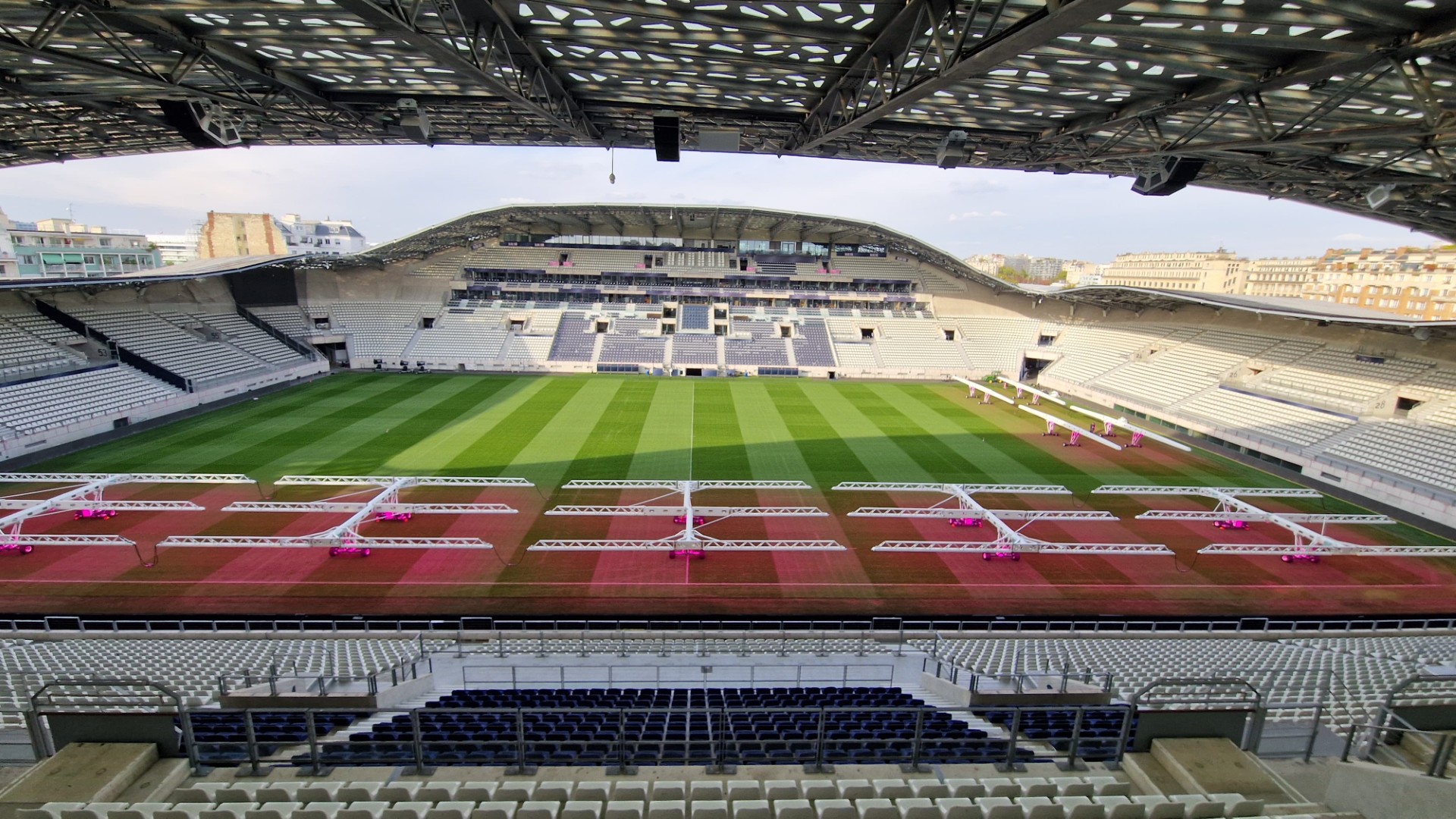
This summer’s tournament is an unusually demanding test of pitch preparation. Matches are played on natural grass, yet around half the host arenas normally use artificial turf, and five are domed stadiums where grass must be grown without direct sunlight and installed specially for the event. The pitches range from sea-level heat to climate-controlled interiors, and they all have to play the same way. Preparing for that has taken close to 200 experiments, including work on a “shallow profile” pitch that fLEX showed could perform like a traditional deep-sand construction.
During the FIFA Club World Cup in 2025, fLEX was used to gather field data before, halfway through and after the tournament, providing an in-depth view of the change in the surface over time. The World Cup is expected to follow a similar pattern: testing across all sixteen host stadiums to track conditions and help determine changes that would improve the next tournament. When the world is watching, every pitch should play to the same high standard, wherever it is and whatever the weather outside.
Reading a real report
What does that look like in practice? Take a summary from a fLEX performance report from a pitch labelled simply “Pitch 1”. Looking at the pitch over three testing events Pitch 1’s overall surface quality score improved from 7.7 during the initial testing event to 8.3 out of 10 (1-bad 10-good) by the final testing event. Across the three testing dates, key performance metrics showed positive changes. Surface firmness increased by 7%, traction increased by 8%, energy return increased by 3%, while cleat movement decreased by 6% and lateral foot force decreased by 5%. The largest improvement was observed in field variability, which decreased by 8%, indicating the surface became significantly more uniform and consistent across the pitch. Together, these changes suggest the pitch matured into a more predictable and stable natural grass surface that provided improved athlete footing while maintaining appropriate shock absorption and energy return characteristics.
While the final score of 8.3 represents a high-quality natural grass playing surface, opportunities remain to further improve performance. The greatest potential lies in continuing to reduce surface variability and maintaining traction and firmness within a tighter performance corridor across the pitch. Additional gains in uniformity would further improve consistency of play, while reducing the load on athletes particularly in high-wear areas.
This is the kind of insight that is invisible to the naked eye and decisive for player safety. Reading this report, a grounds team would know the pitch was stabilising on schedule, would see where the soft spots were, and would know that no intervention was urgently required, the difference between reacting to a problem on match day and quietly preventing one days beforehand.
The game beneath the game
For all its sensors and software, fLEX rests on a simple idea: the best way to understand what a pitch does to a player is to imitate the player. That philosophy has carried it from a turfgrass plot in Tennessee to the biggest stage in sport, and it is already moving further still, into rugby, baseball, athletics and beyond. “It’s not just a product,” Kyley says. “It’s a collaboration between science and the people who work the pitch every day, and we’re still learning, still improving.”
When the World Cup final is decided this summer, the playing surface should be the last thing anyone remembers—no bad bounce, no slip, no divot that changes the outcome of a match. If the grass goes unnoticed, it will be a testament to the collective effort of everyone involved in preparing and managing these pitches, with technologies such as fLEX playing a supporting role in helping evaluate and optimize surface performance along the way.
Everything about fLEX at the World Cup
 News Channel
Forbes
News Channel
Forbes
 News Channel
Knox News
News Channel
Knox News
 YouTube
NewsX World
YouTube
NewsX World

 LinkedIn
World-Class Turf
LinkedIn
World-Class Turf
 Instagram
WXYZ
Instagram
WXYZ
 News Channel
WXYZ
News Channel
WXYZ
 LinkedIn
SGL
LinkedIn
SGL
Recent updates
Check out our latest updates