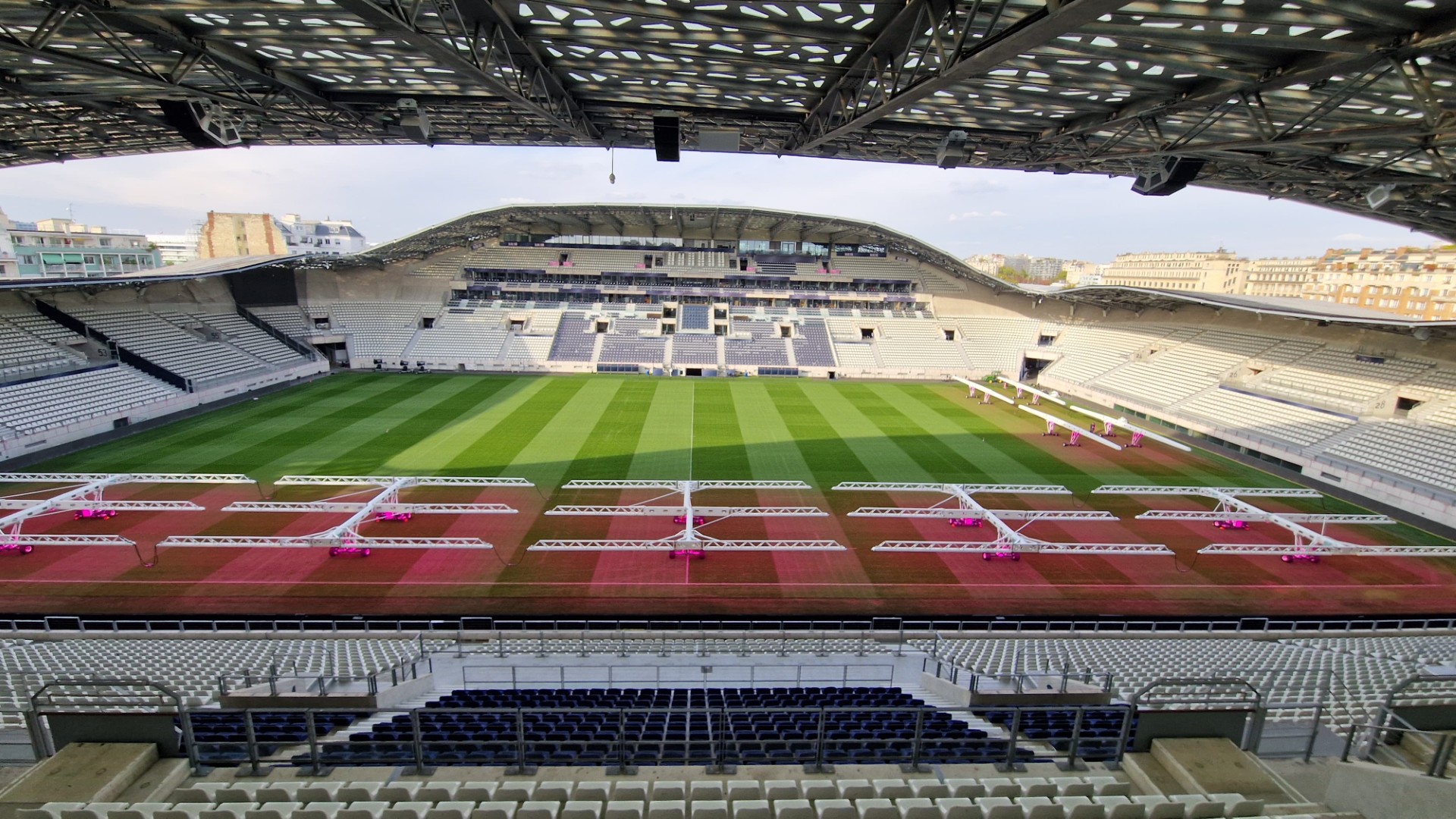
What World Cup 2026 taught Matthias Eichner about pitch performance

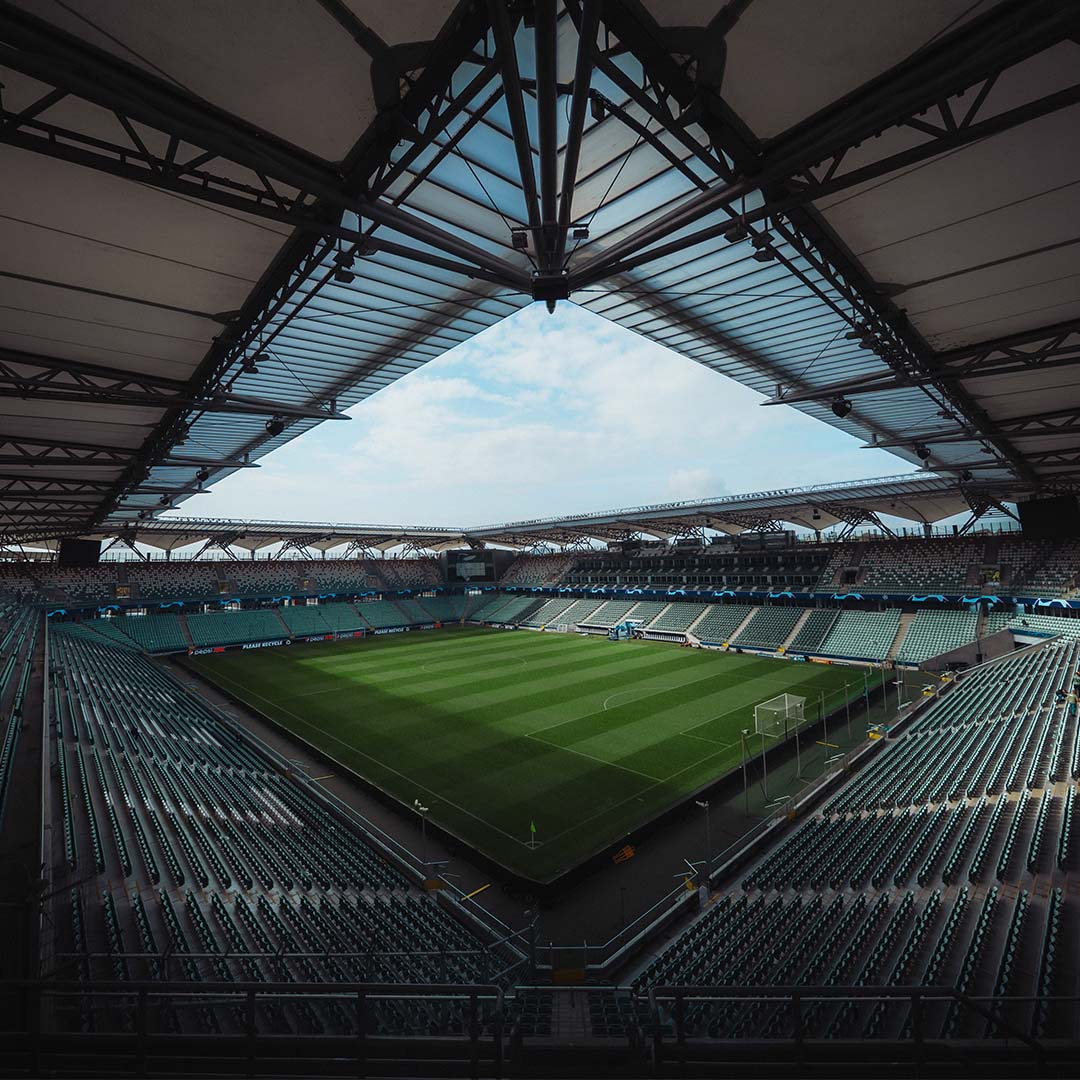
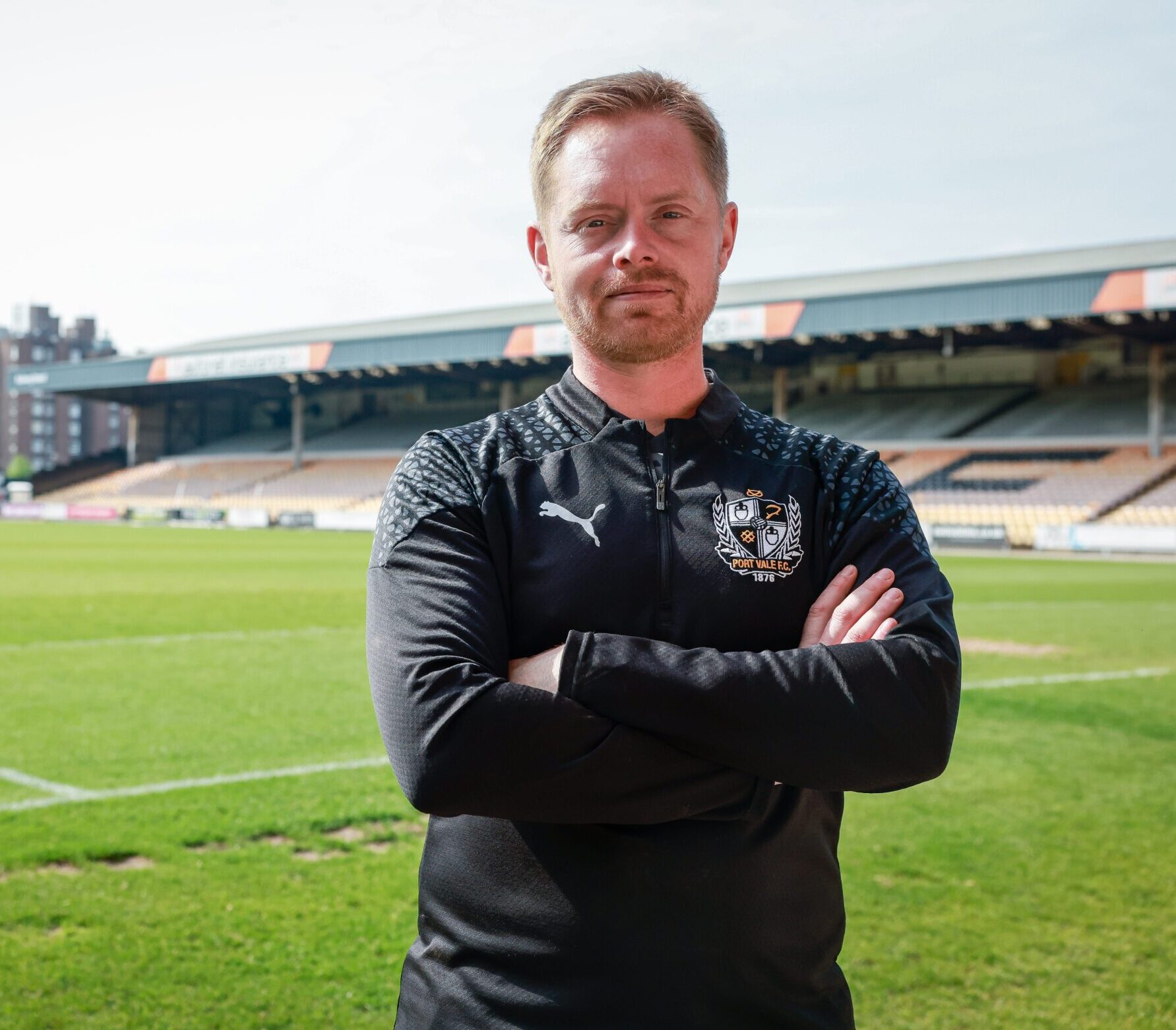
For most football fans, the World Cup is about the players, the goals and the atmosphere. For Matthias Eichner, Head Groundsman at RB Leipzig, it was an opportunity to see how football’s biggest tournament delivers consistent playing conditions across 16 stadiums, three countries and multiple climate zones.
As part of the team carrying out fLEX pitch performance testing during World Cup 2026, Matthias experienced the years of preparation behind every playing surface. From indoor NFL stadiums converted into natural grass football venues to training facilities across North America, he saw how research, planning and objective testing come together to create one playing standard.

A challenge unlike any other
Matthias’ interest in the project began well before the tournament. During visits to the University of Tennessee, where much of the research behind World Cup pitch preparation took place, he became fascinated by one question.
“It was simply curiosity about how they would create the same conditions in every stadium. That’s a real challenge.”
Unlike previous tournaments, World Cup 2026 spans multiple climate zones, with venues ranging from enclosed stadiums to hot and humid outdoor environments.
“In Germany, you can use the same turf and the same seed mix almost everywhere. At this World Cup, every stadium presents a different challenge. How do you manage it inside domes? How do you manage it in extreme heat or humidity?”
Finding the answers required years of testing, evaluating different construction methods, grass varieties and maintenance strategies before the tournament even began.

Measuring performance instead of guessing
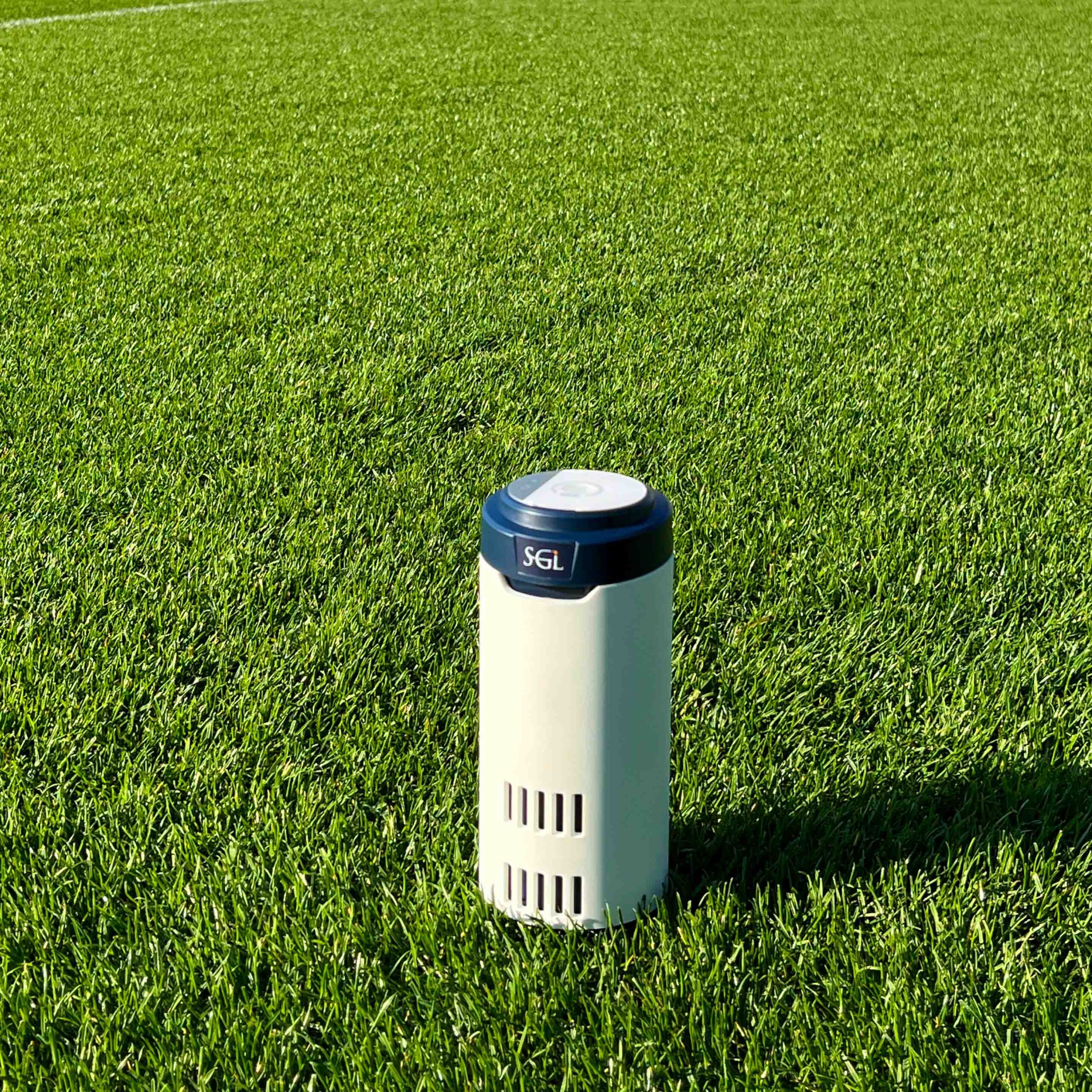
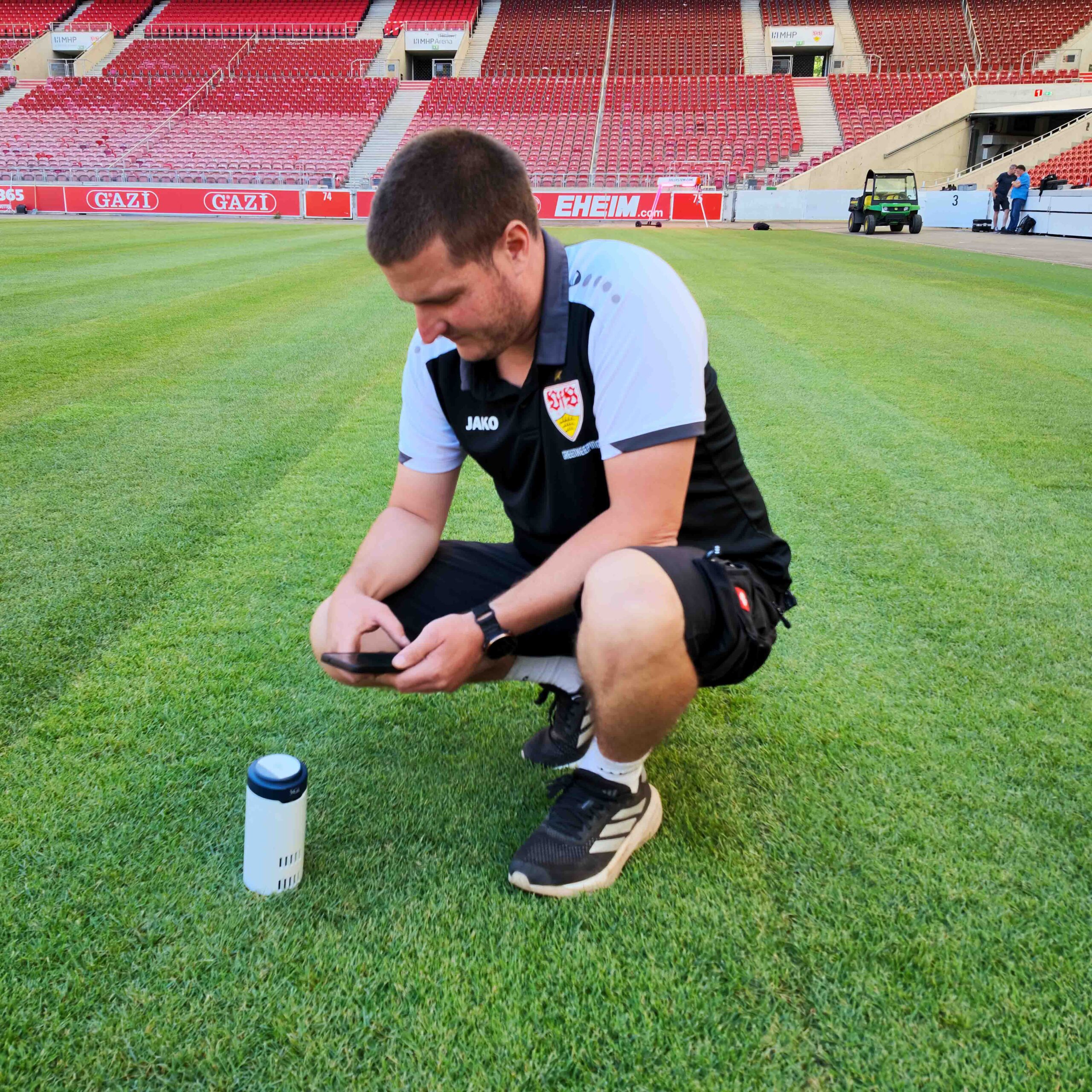
During the tournament, Matthias helped carry out fLEX pitch performance testing, providing objective measurements of how each pitch performed.
For him, the value of this data reaches far beyond the World Cup.
“Using the data you collect, you can adjust your greenkeeping.”
Rather than relying solely on visual assessment or experience, grounds teams can measure characteristics such as surface firmness, scuff resistance and energy return, allowing maintenance to be adjusted based on objective information.
“If the pitch is too hard, you can make it softer. If the wear resistance isn’t where it should be, you can adjust your maintenance. These measurements allow you to improve the playing surface.”
Objective data also helps grounds teams communicate more effectively with coaches and players by explaining pitch performance with measurable facts instead of opinions.
“The more data you have and the more you go through the world with your eyes open, the better your greenkeeping will become.”


Why consistency matters
With teams travelling thousands of kilometres between venues, delivering a consistent playing experience becomes essential.
“The speed of the ball, the bounce, those things naturally change between different grass types and different climates.”
By combining objective testing with agronomic expertise, grounds teams can make small adjustments throughout the tournament to keep pitches performing within the desired standard.
“Based on the measurement results, you can always tweak things a little.”

A lasting impact
Looking beyond the tournament, Matthias believes data will continue to shape the future of professional pitch management.
“The more measurements you have over several years, the more you understand why a pitch behaves the way it does.”
Combined with maintenance records, objective measurements help grounds teams make better decisions throughout the season while building valuable knowledge for the future.
Although the technology impressed him, Matthias says the tournament’s biggest moments still happen when the players step onto the field.
“When match day comes around and all the fans are there, singing the national anthem, it gives you goosebumps.”
For Matthias, World Cup 2026 reinforced one simple lesson.
“The more data you have and the more you go through the world with your eyes open, the better your greenkeeping will become.”
Everything about fLEX at the World Cup
 News Channel
Forbes
News Channel
Forbes
 News Channel
Knox News
News Channel
Knox News
 YouTube
NewsX World
YouTube
NewsX World

 LinkedIn
World-Class Turf
LinkedIn
World-Class Turf

 Instagram
WXYZ
Instagram
WXYZ
 News Channel
WXYZ
News Channel
WXYZ
 LinkedIn
SGL
LinkedIn
SGL
Recent updates
Check out our latest updates