CNBC Podcast: Mark Trübenbacher explains the science behind World Cup pitches

Mark Trübenbacher, CEO of SGL, recently joined the CNBC Sport Podcast to discuss the technology, research and logistics behind delivering consistent playing surfaces throughout the FIFA World Cup. During the interview, he shared how SGL supports every World Cup stadium and training venue with grow lighting, environmental monitoring and pitch performance testing, helping players experience the highest possible playing conditions from the opening match to the final.

Bringing the pitch through the tournament
Although SGL does not construct the World Cup pitches, we play a crucial role in maintaining them throughout the competition. As Mark explained, “We are not the ones constructing the field, but we are the ones bringing the field through the World Cup.”
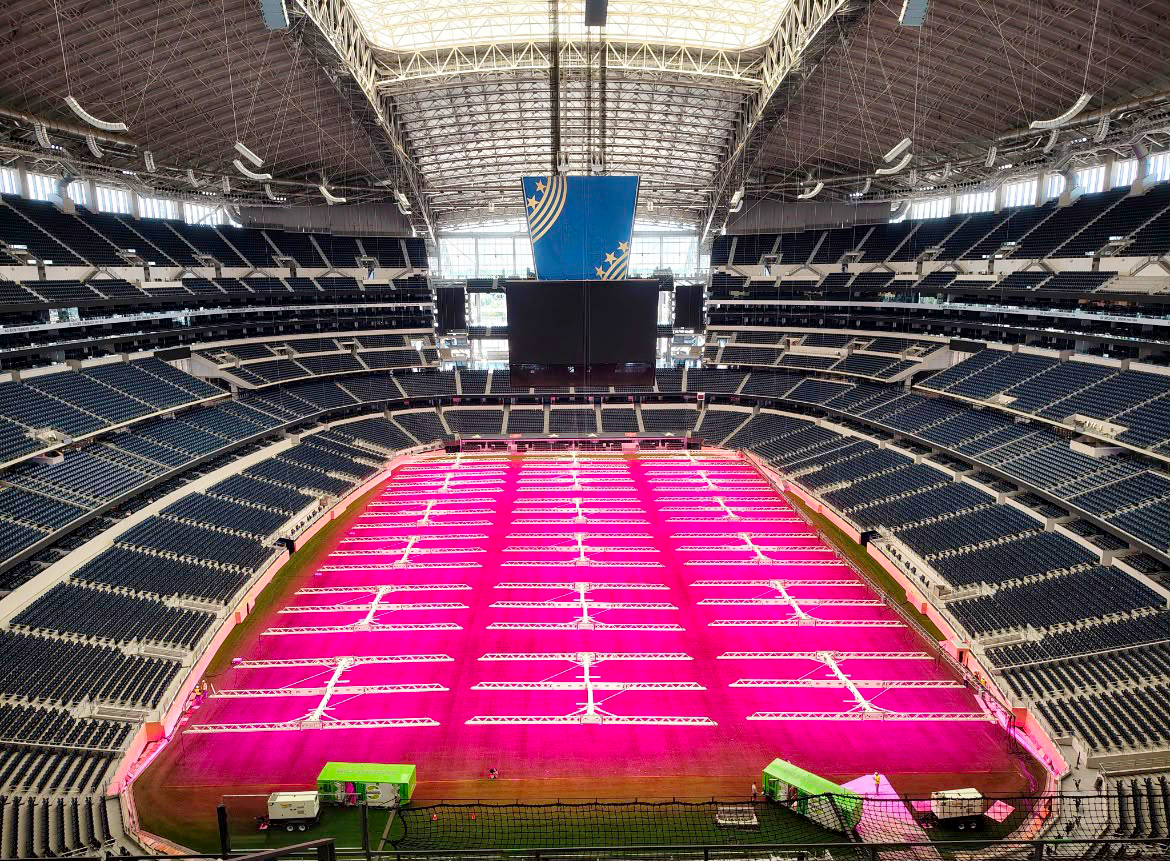
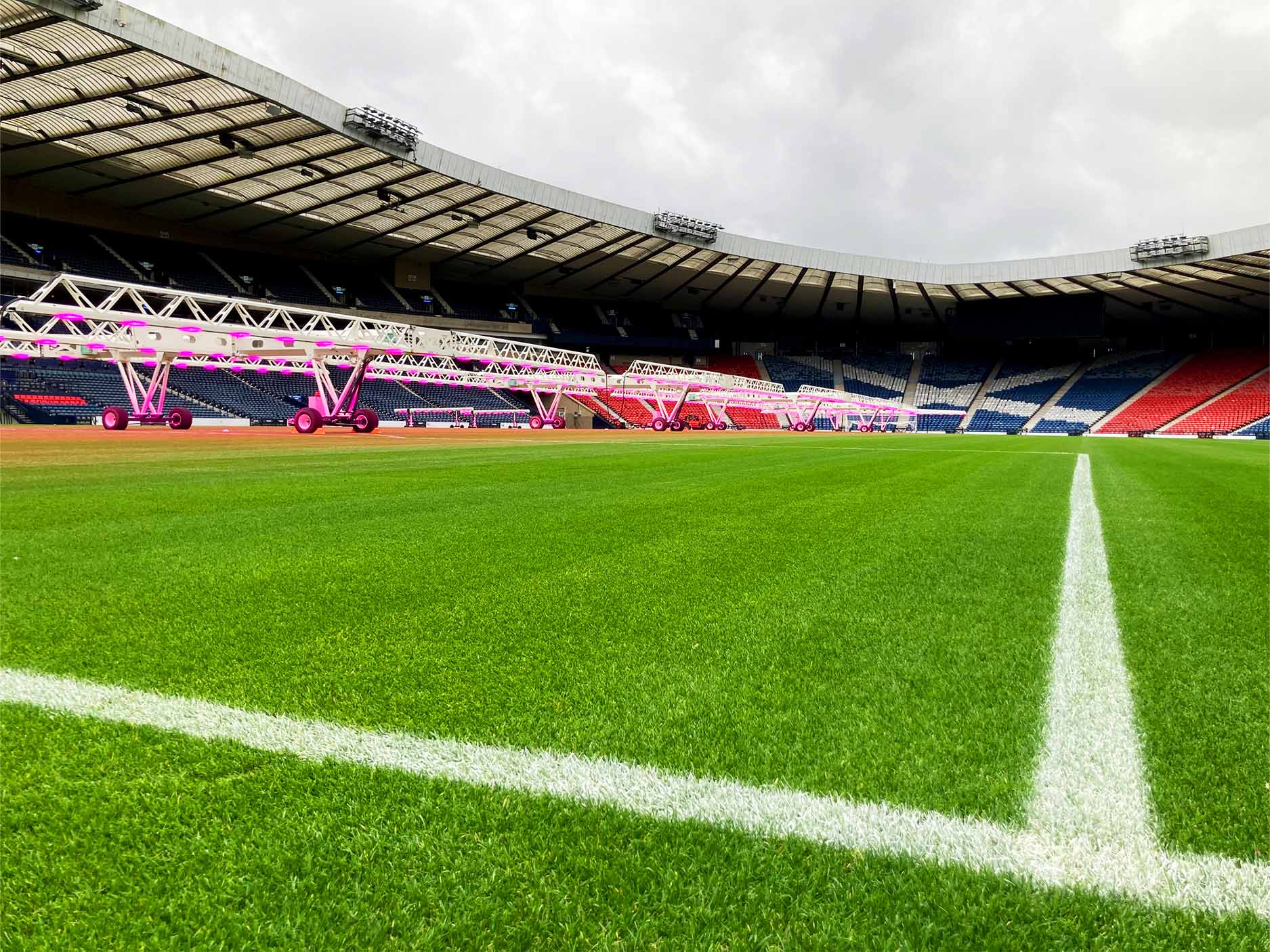
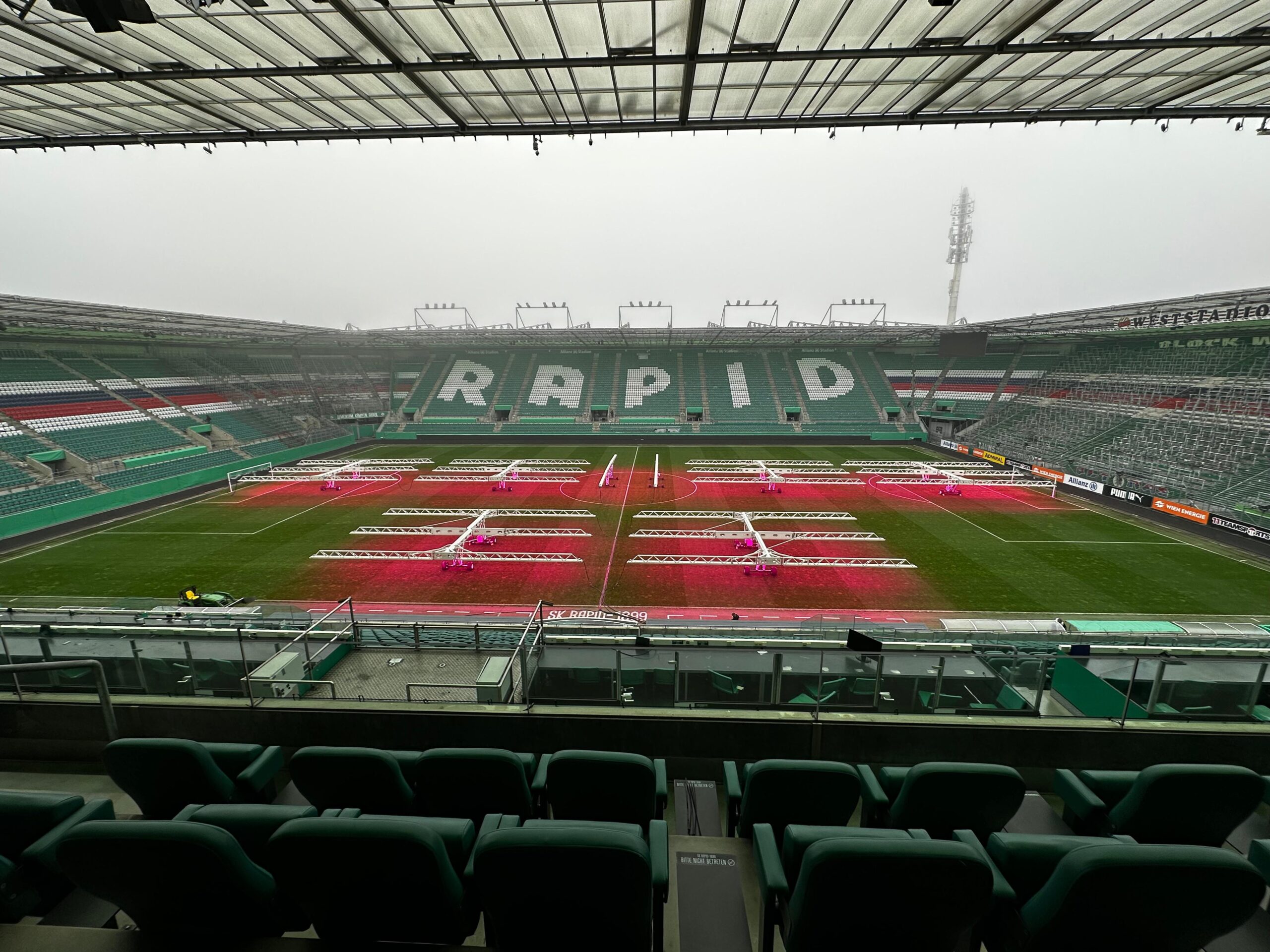
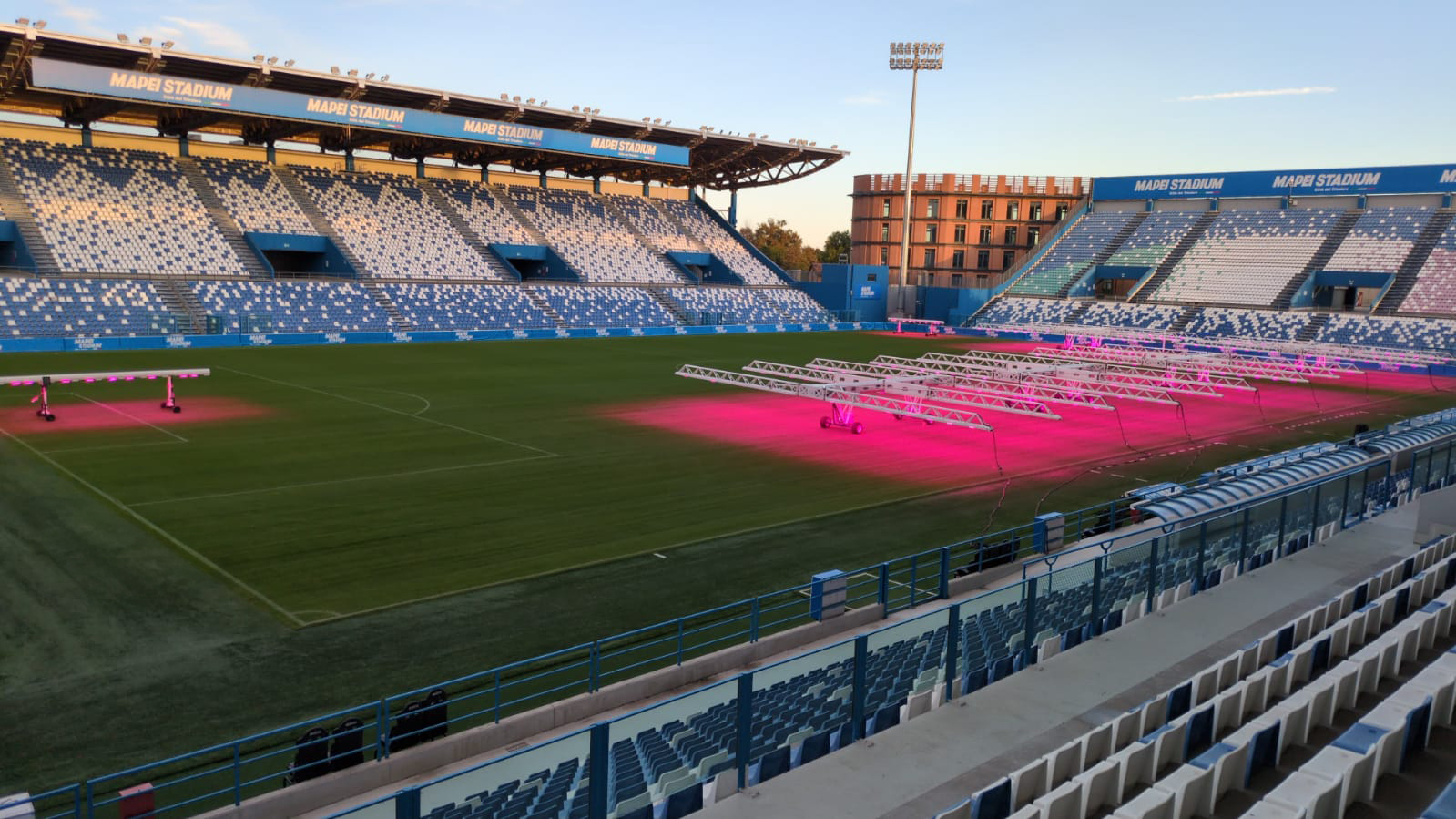
The tournament spans more than 5 weeks, during which many stadiums provide limited sunlight, airflow and natural rainfall. To keep the grass performing throughout the competition, we recreate the conditions nature would normally provide. As Mark put it, “We apply light, wind, moisture, anything what the grass needs. We collect data to understand the growing environment, and we just create the perfect growing environment wherever and whenever the grass needs it.”

Different climates, one playing standard
One of the biggest challenges of World Cup 2026 is the diversity of its venues. Matches are played across three countries and nine climate zones, from the altitude of Mexico City to the humidity of Miami.
Mark explained how years of research, led by FIFA together with the University of Tennessee and Michigan State University, helped develop the knowledge required to manage pitches in every environment. SGL contributed to this work as a technology supplier, creating solutions that adapt to the specific needs of each location. As he explained, “Our technology really compensates for these differences.”
“We apply light, wind, moisture, anything what the grass needs. We collect data to understand the growing environment, and we just create the perfect growing environment wherever and whenever the grass needs it.”


Why consistency matters
While every stadium presents unique growing conditions, the objective remains the same: delivering a consistent playing experience for every team.
According to Mark, players immediately notice differences in grip, ball bounce, speed and surface firmness. “Parity between the fields is one of the most wanted things of the players,” he said. “They will never be 100% the same, but somewhat equal so that the players really experience the same field qualities.”
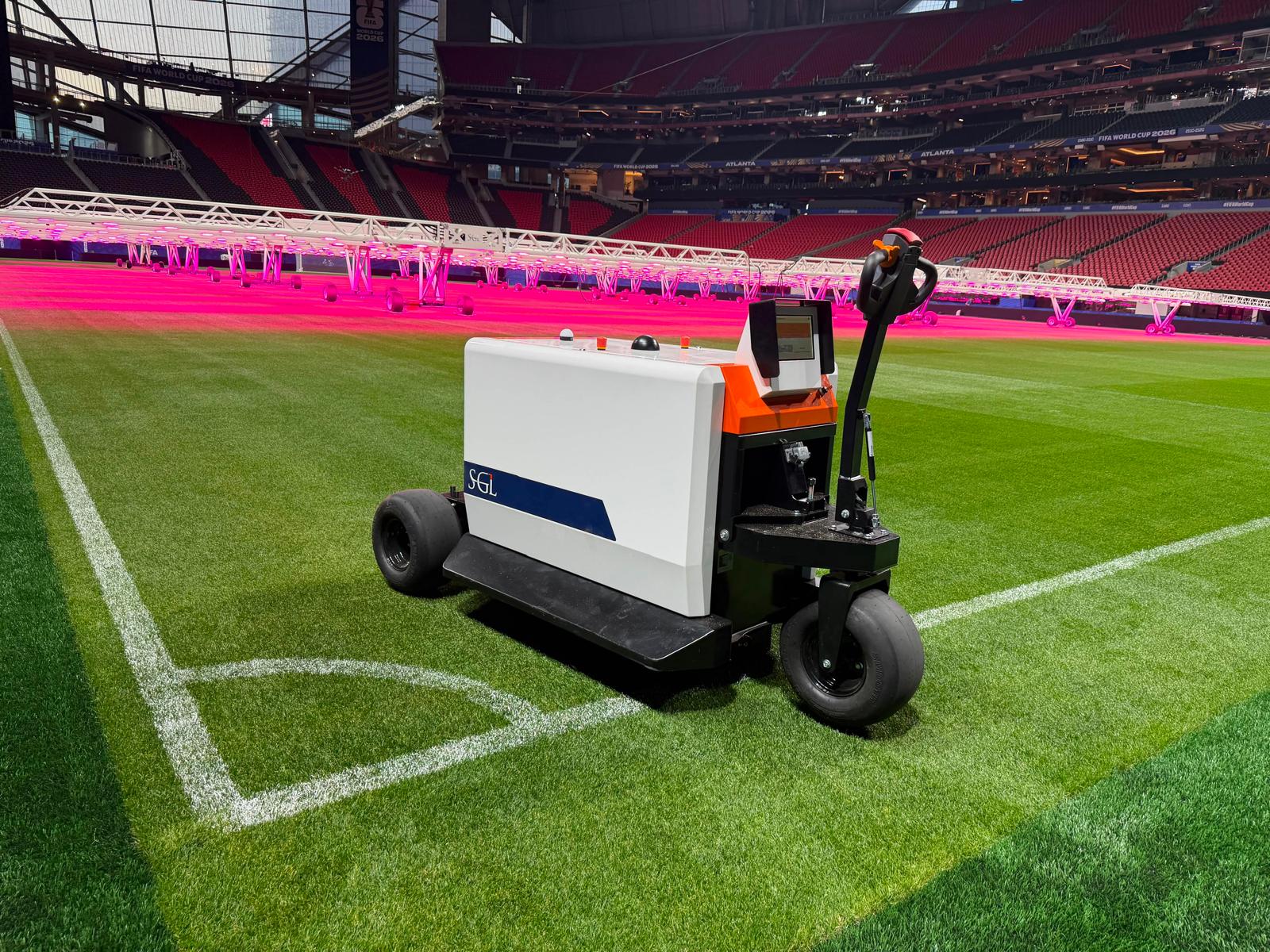
To help achieve this, SGL supports both stadiums and training venues throughout the tournament. Alongside grow lighting and environmental monitoring, our fLEX system measures pitch performance before matches and at training facilities, helping ensure surfaces meet the required standard.

Working behind the scenes
Throughout the tournament, SGL technology continues working long after the final whistle. Grow lights remain on the pitch until matchday preparations begin, environmental data is collected around the clock and pitch performance is continuously monitored.
For Mark, however, success is measured by what people do not notice. “If the pitch becomes the headline of the World Cup, something goes wrong,” he said. “We better stay in the background.”
Behind every World Cup match is a team working quietly behind the scenes, helping ensure the focus stays exactly where it belongs: on the football.
Recent updates
Check out our latest updates